Hey everyone, Nintendo has long had the “big four” mascots: red, yellow, green, and pink.
Red is Mario. Yellow is Pikachu, aka Pokemon. Green is The Legend of Zelda. Pink is Kirby, who is still beloved, but honestly no longer on the same commercial scale as the other three.
So today, let’s revisit Nintendo’s other mega-IP: Pokemon.
On February 27, 1996, a little-known studio called Game Freak released a Game Boy RPG focused on collecting and raising creatures: Pokemon. The name comes from “Pocket” + “Monster,” which is why it was called Pocket Monsters in some places (and Pokemon officially).
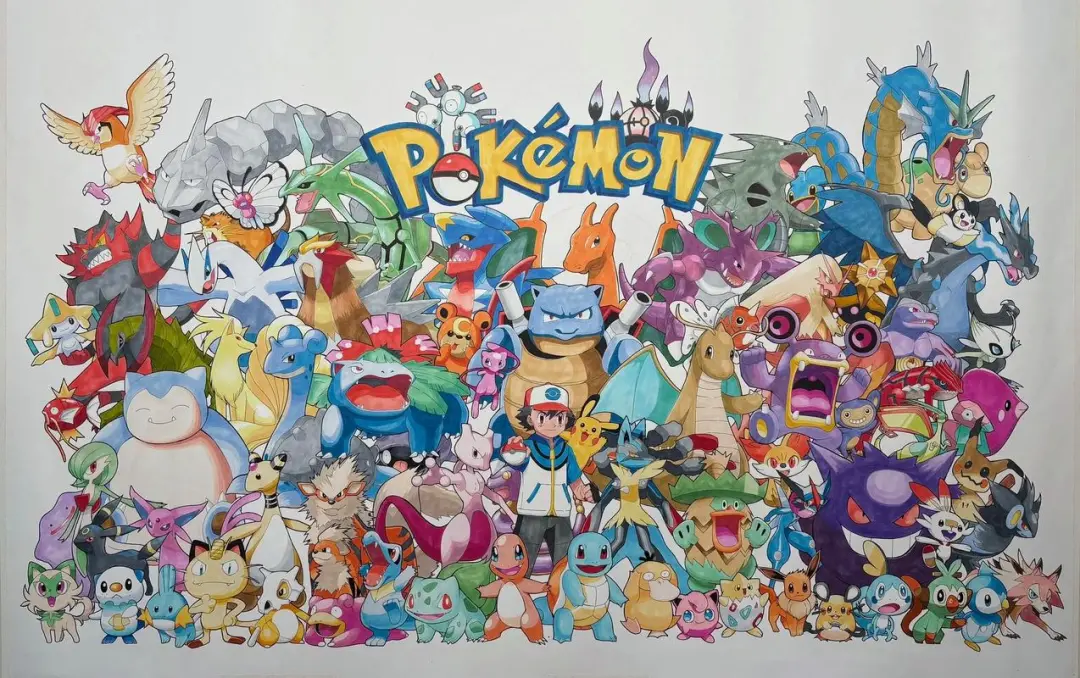
Nintendo published it. Back then Nintendo published a lot of third-party GB games. What nobody expected was this black-and-white pixel RPG, with its collect-battle-trade loop, would perfectly match kids’ obsession with trading cards and become an instant phenomenon.
Pokemon Red/Green quickly passed 1 million in sales, and eventually hit a ridiculous 31.38 million copies.
Nintendo moved fast, forming The Pokemon Company (TPC) in 1998 and locking down the rights.
Game Freak and its founder Satoshi Tajiri basically became the “maker for hire.”
You can say Nintendo is business-savvy (and they are), but in the early days GF also got real support. Shigeru Miyamoto even drew early concept sketches for the first game, which is why the anime leads are named Satoshi and Shigeru (Ash and Gary).
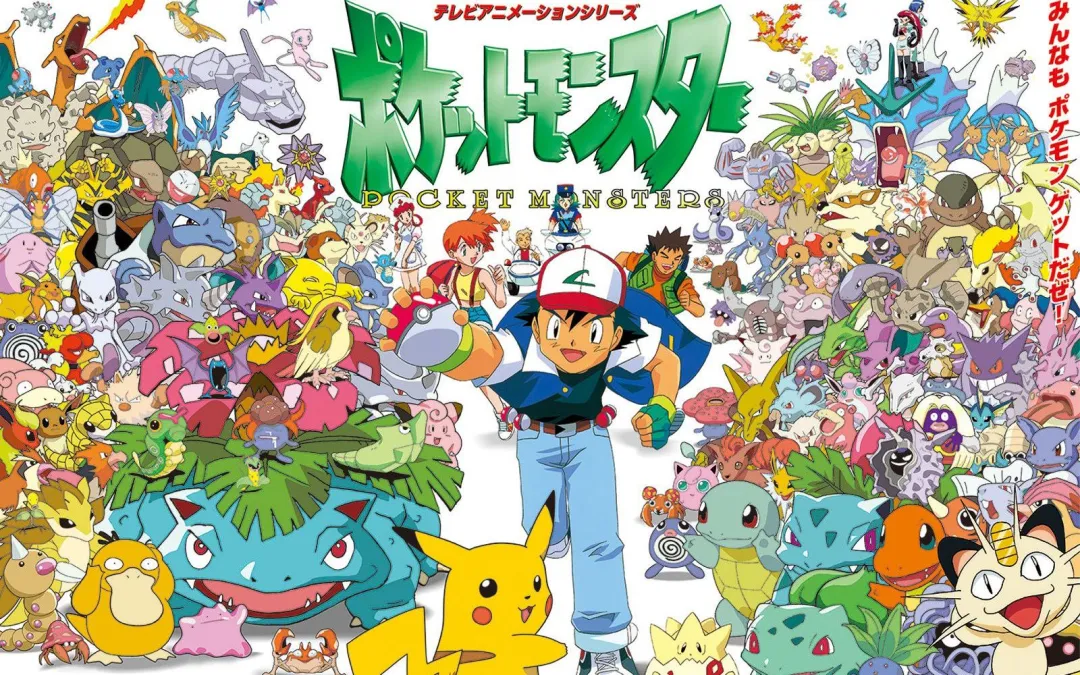
Anyway, Pokemon is now one of Nintendo’s core pillars. Total game sales sit around a staggering 490 million units, and the movies, anime, and merch print money nonstop.
You can criticize Game Freak’s tech, sure, but don’t underestimate how much Pokemon has done for Nintendo hardware adoption.
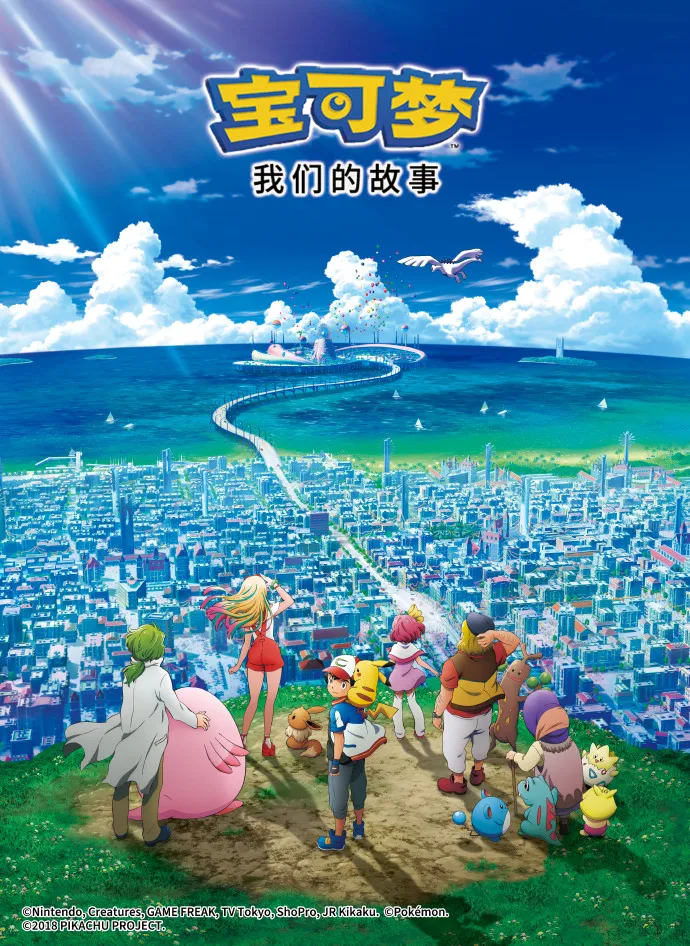
Below is a quick rundown of each generation, just to relive some of the fun.
1, Pokemon Red/Green (GB, Feb 27, 1996)
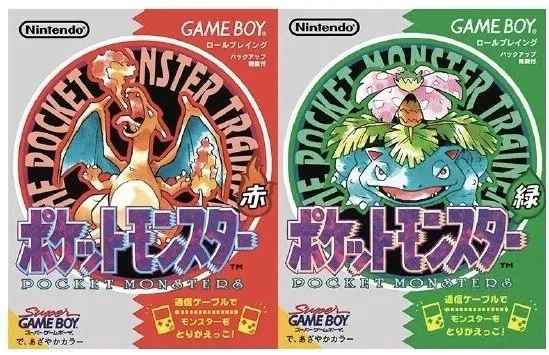
This is the start of it all. Set in Kanto, it introduced the original 151 Pokemon and the core loop of catching, battling, and trading. Gen 1 begins here.
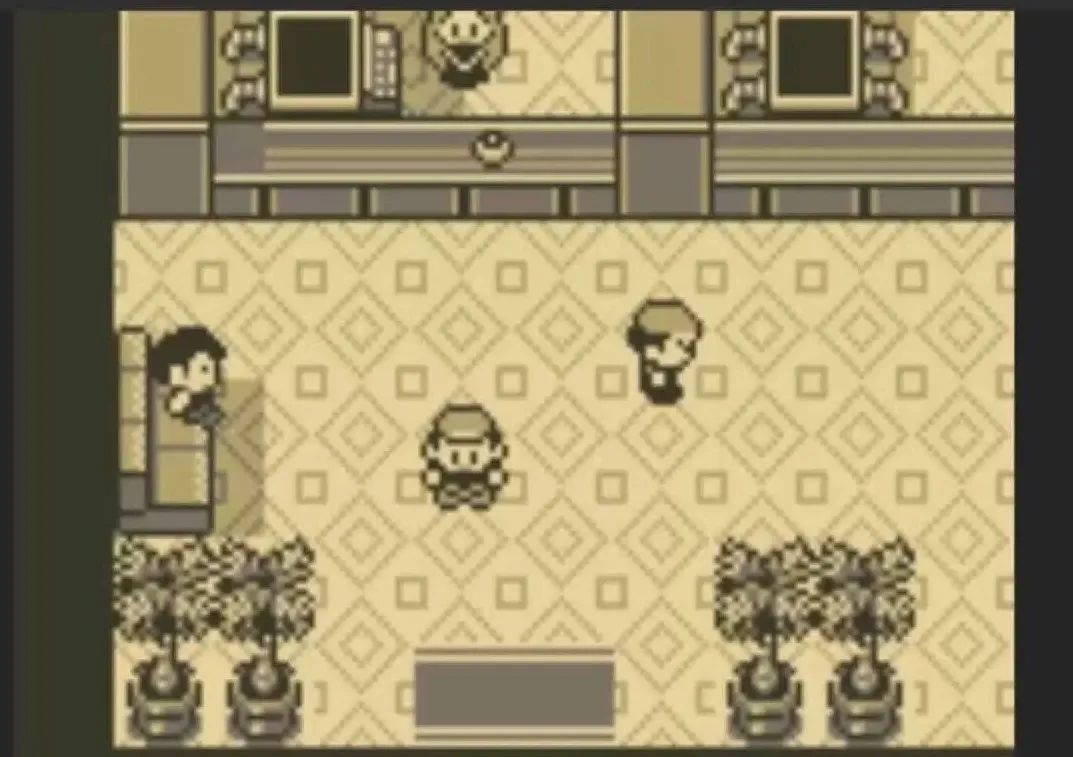
Pokemon Blue was the updated Japanese version. Pokemon Yellow (Pikachu Version) launched on Sept 12, 1998, featuring Pikachu as your starter and following you, with a story closer to the anime.
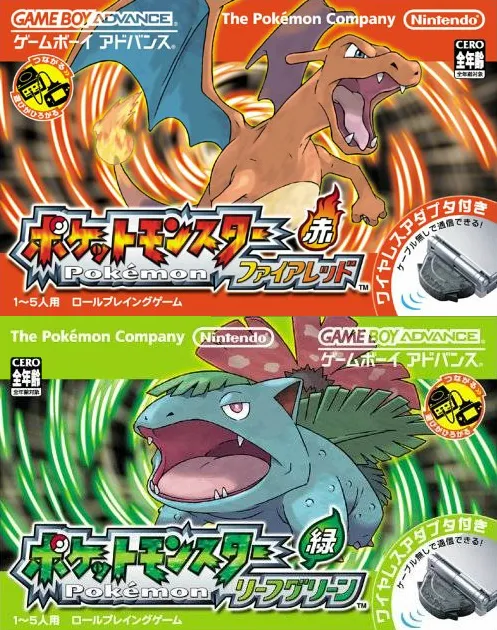
The GBA remake FireRed/LeafGreen released on Jan 29, 2004, rebuilding Kanto with Gen 3 systems and adding areas like the Sevii Islands.
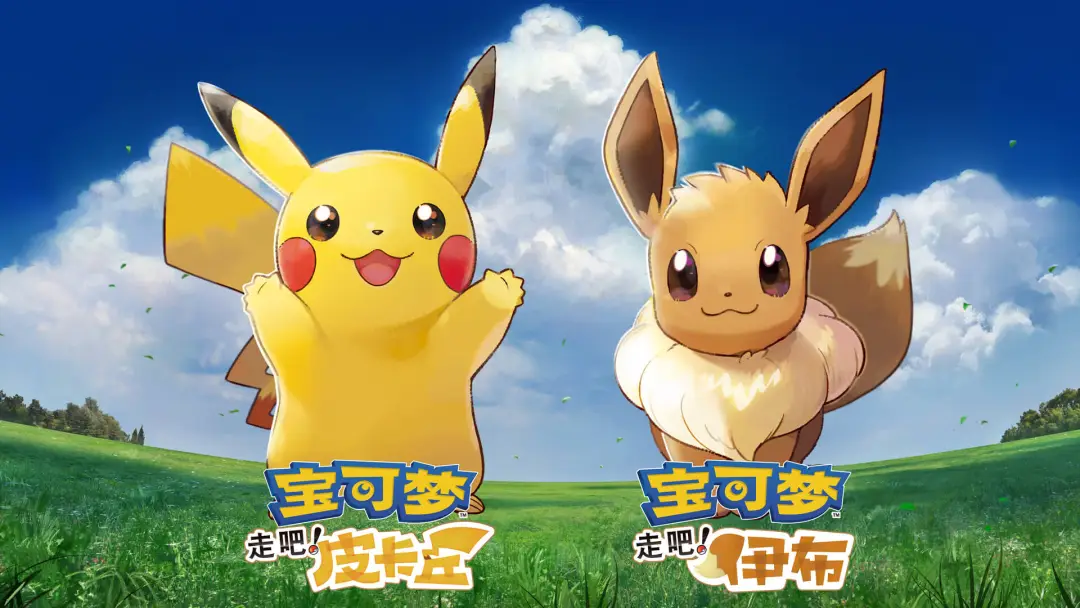
The Switch remake Let’s Go, Pikachu/Eevee released Nov 16, 2018. It’s a full 3D remake of Pokemon Yellow, with Pokemon GO-style catching and integration.
2, Pokemon Gold/Silver (GBC, Nov 21, 1999)
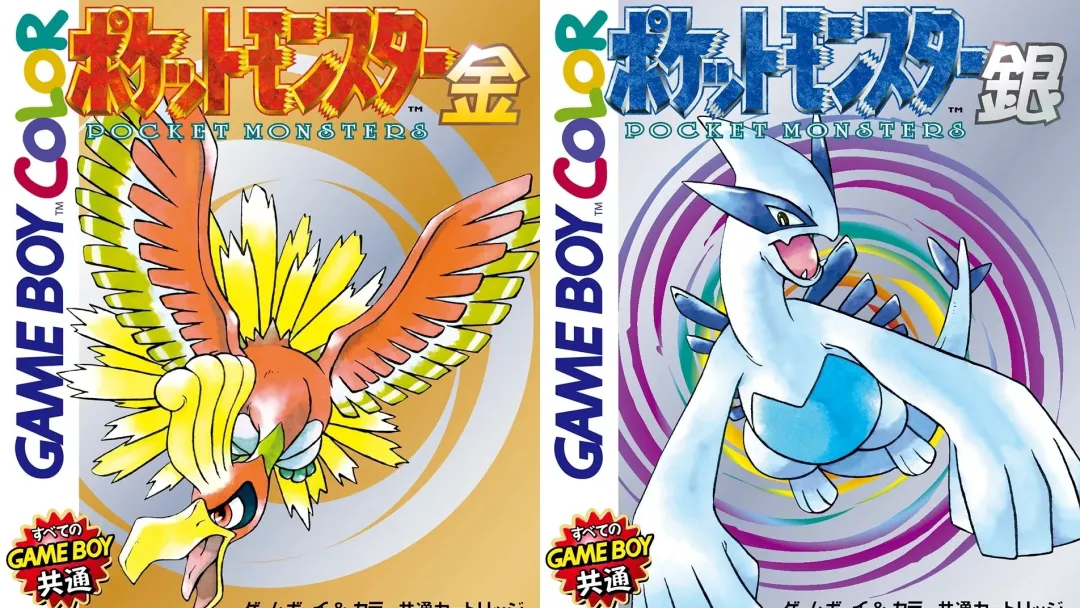
Set in Johto, Gen 2 added 100 new Pokemon and introduced the day/night cycle, breeding, and two new types.
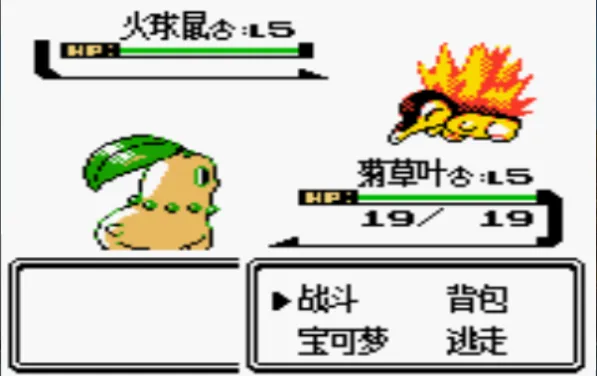
After beating the game you can return to explore the full Kanto region. The enhanced version, Pokemon Crystal, released Dec 14, 2000, and introduced a selectable female protagonist and animated battle sprites.
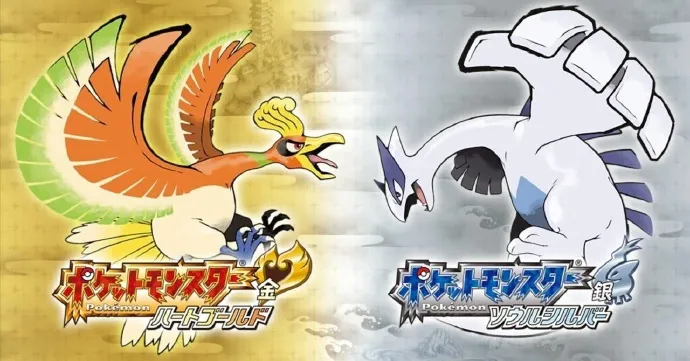
The NDS remake HeartGold/SoulSilver launched Sept 12, 2009. Its biggest flex: all 493 Pokemon can follow you on the overworld.
3, Pokemon Ruby/Sapphire (GBA, Nov 21, 2002)
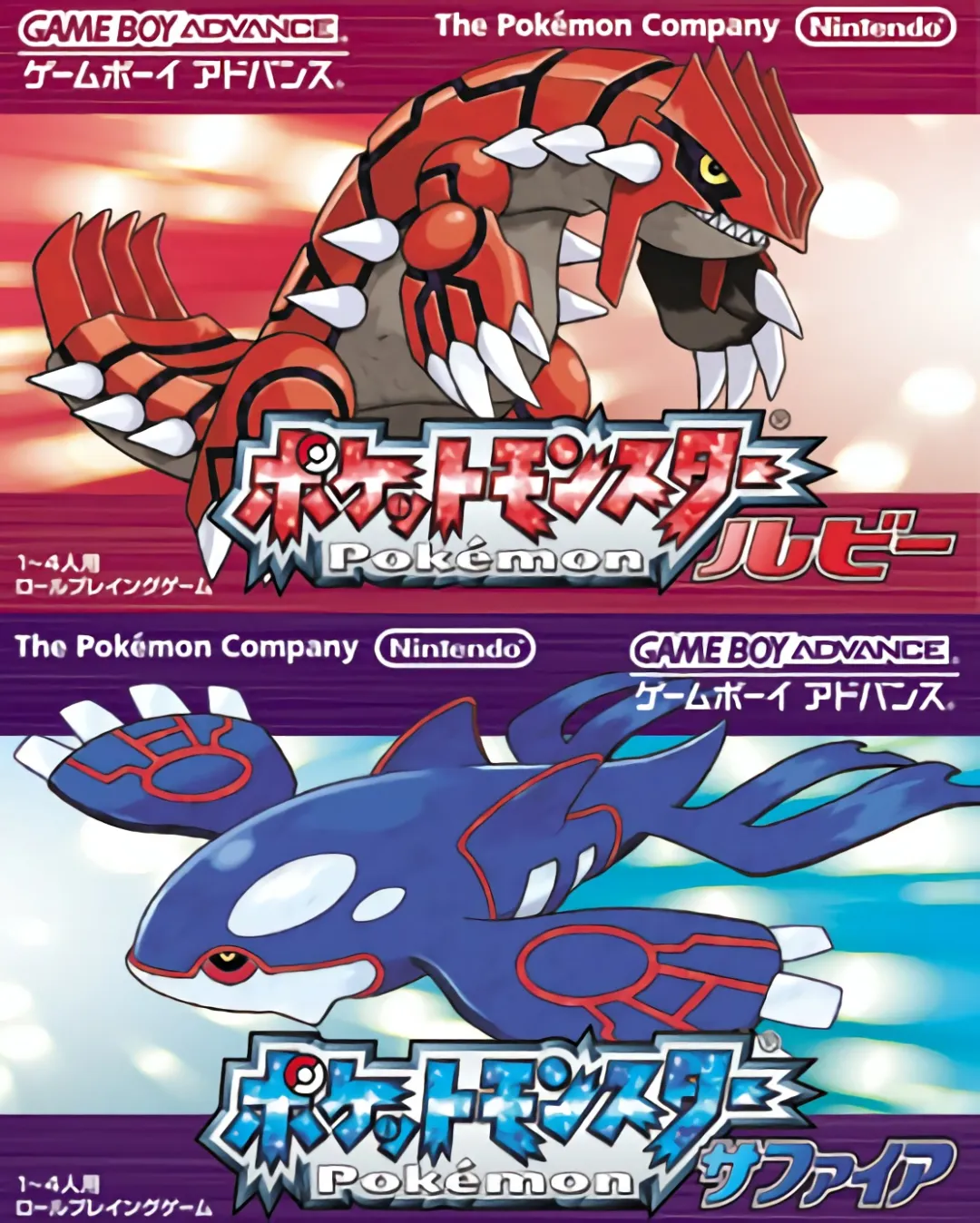
This is Gen 3, set in Hoenn and built for GBA.
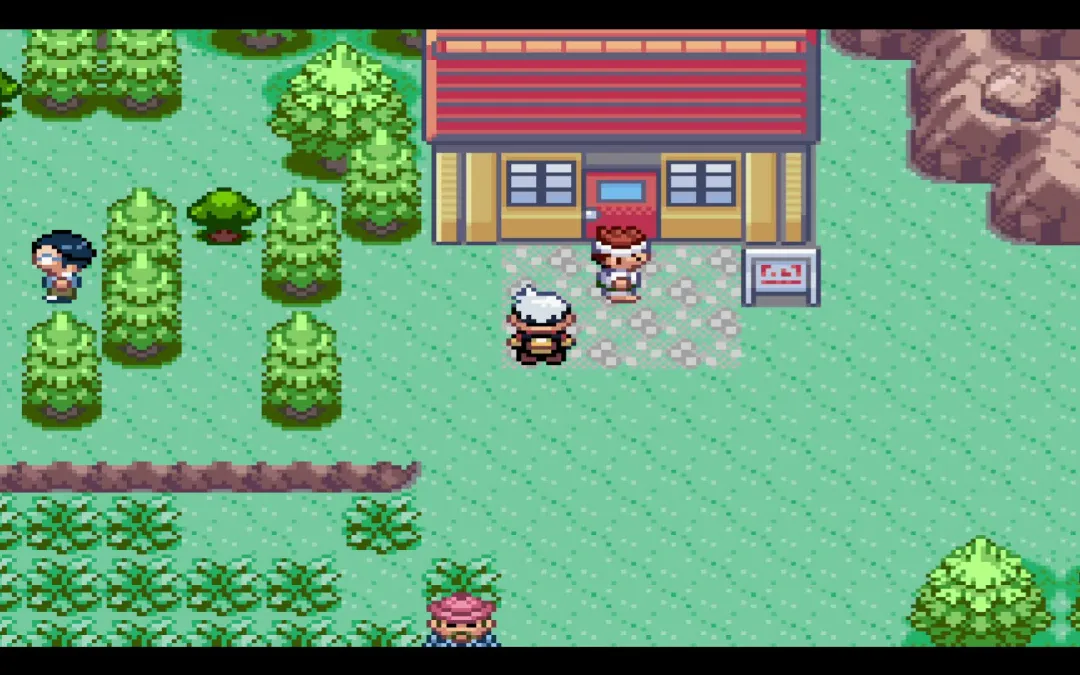
The visuals moved to full color. Double battles, abilities, and natures were introduced, and the day/night cycle was removed.
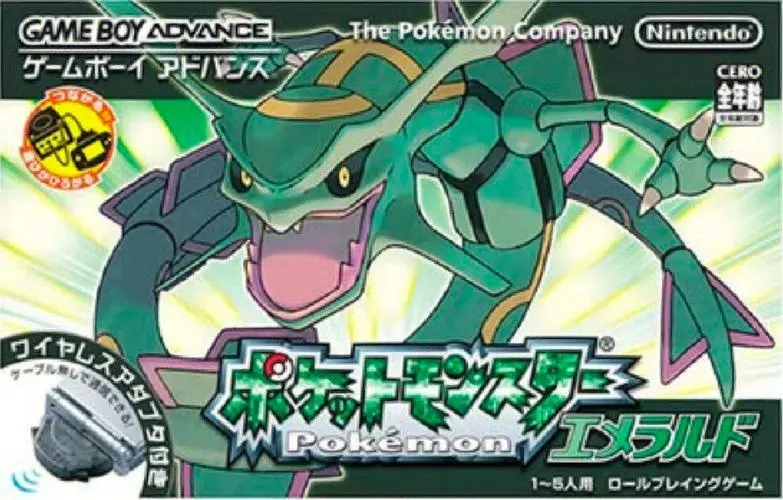
Emerald released on Sept 16, 2004, adding the Battle Frontier and extra story content.
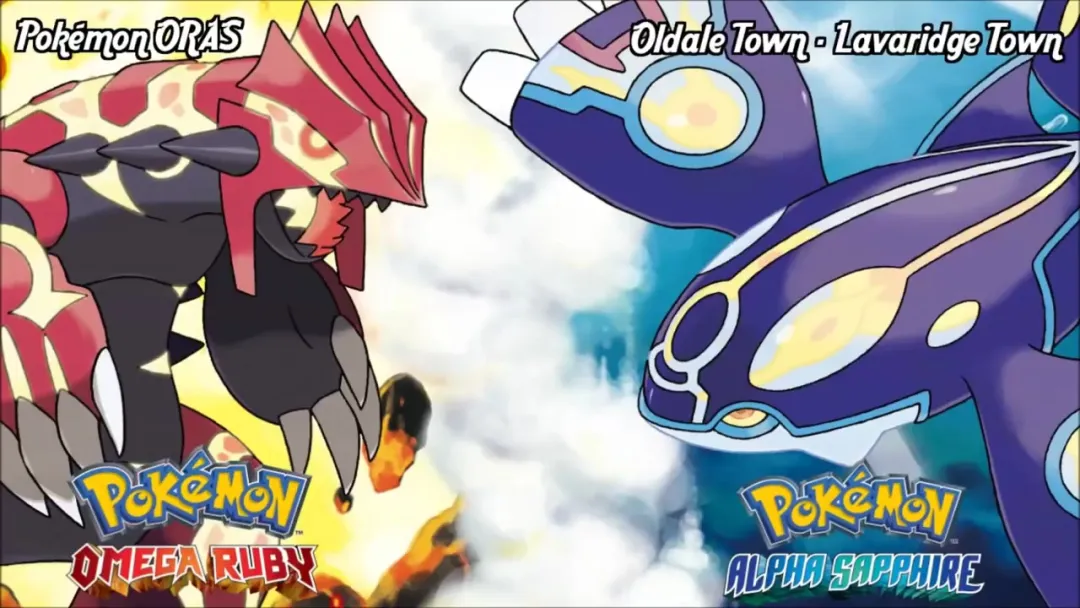
The 3DS remake Omega Ruby/Alpha Sapphire launched Nov 21, 2014, bringing in Gen 6 Mega Evolutions.
4, Pokemon Diamond/Pearl (NDS, Sept 28, 2006)
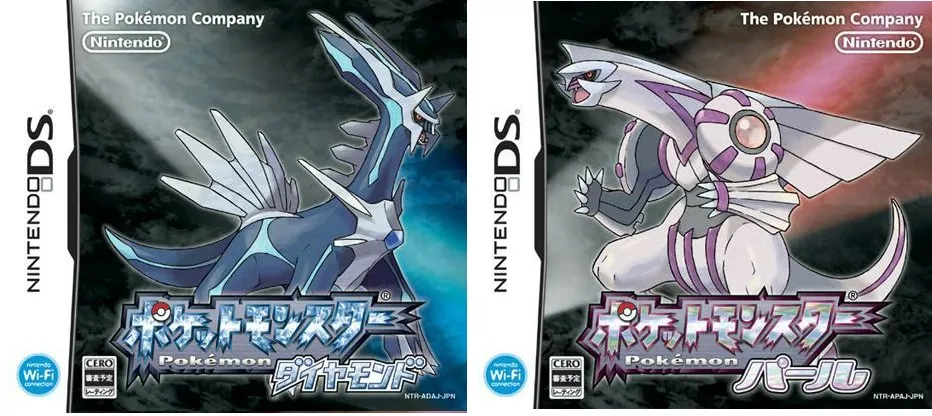
Gen 4 takes place in Sinnoh. The games introduced partial 3D visuals and official Wi-Fi global trading and battles.
Platinum released Sept 13, 2008, fixing and expanding content with new forms. The Gen 2 remakes HeartGold/SoulSilver launched Sept 12, 2009, letting every Pokemon follow you and including the full Kanto post-game.
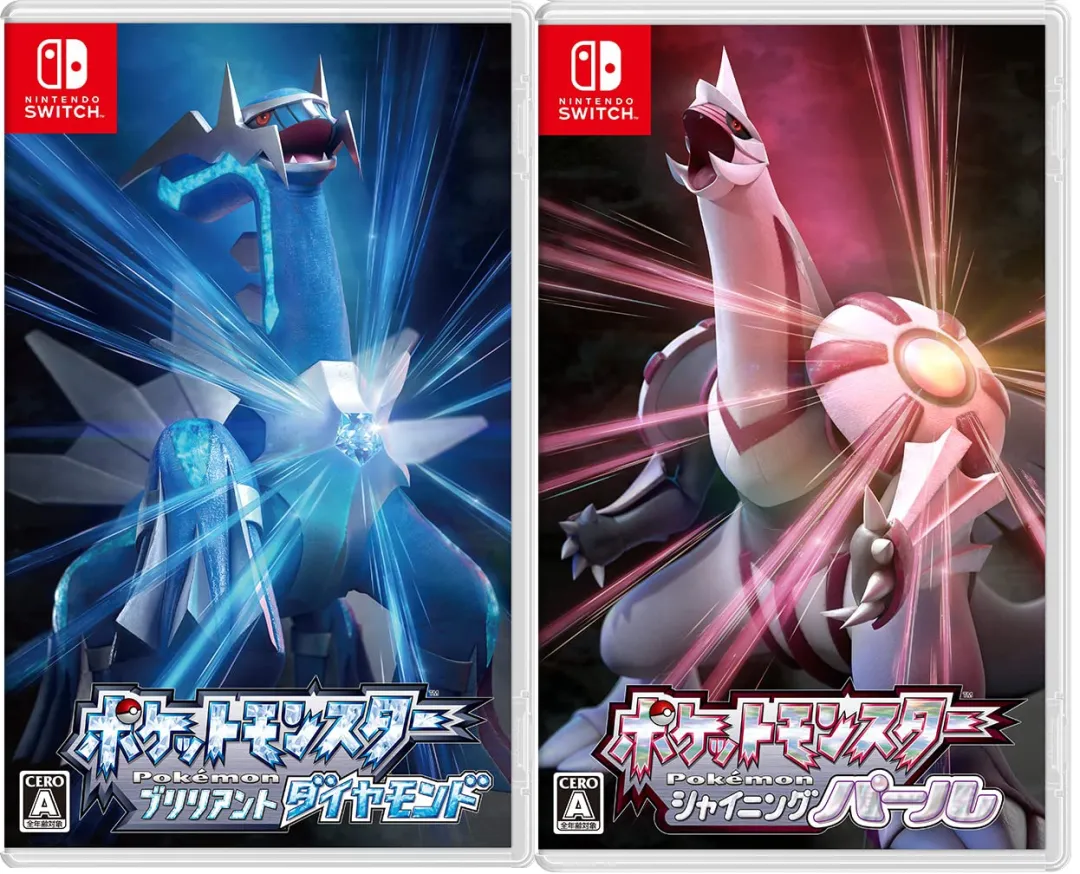
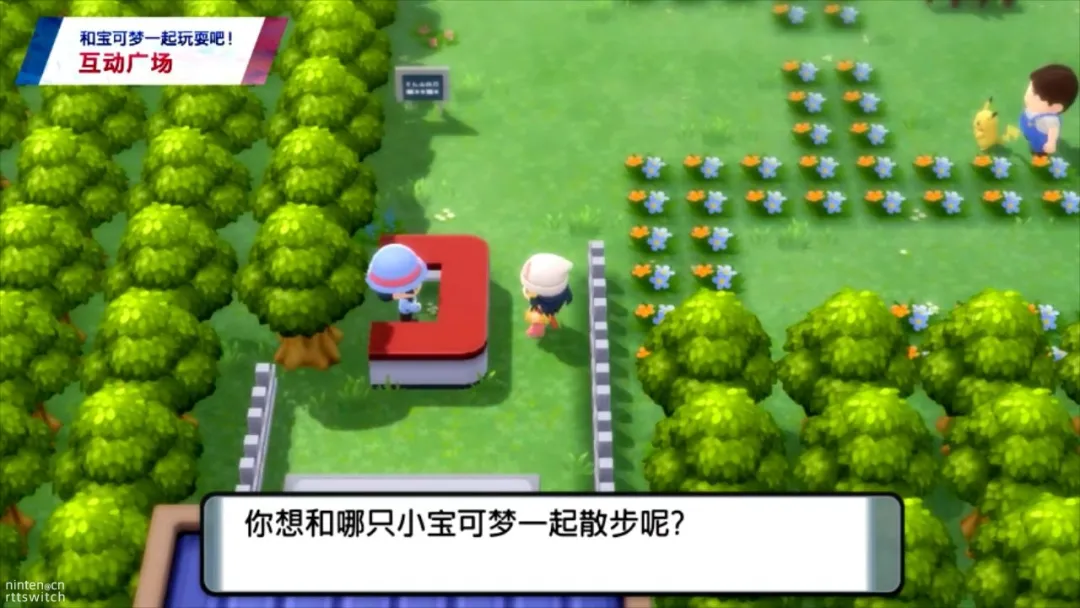
The Switch remakes Brilliant Diamond/Shining Pearl launched Nov 19, 2021. Developed by ILCA, they sparked debate for being extremely faithful to the originals.
5, Pokemon Black/White (NDS, Sept 18, 2010)
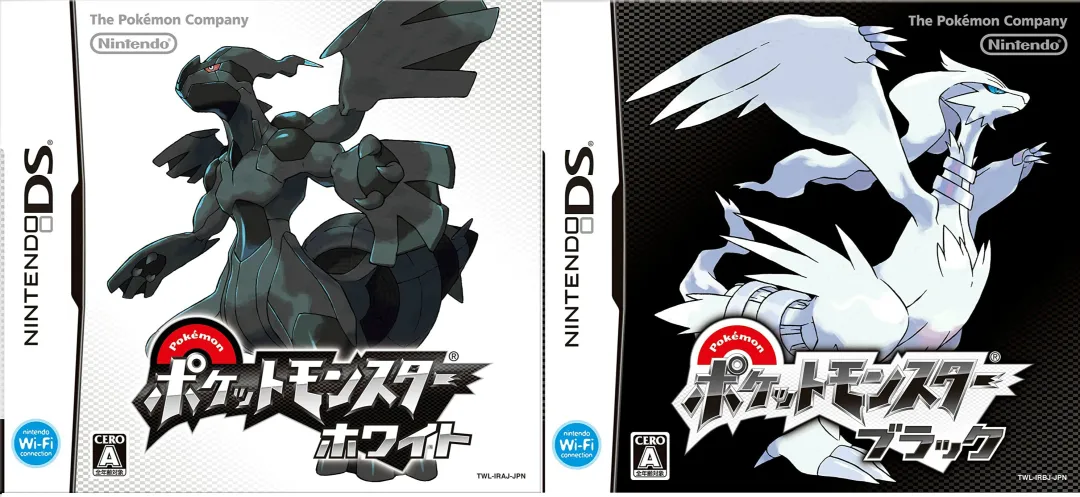
Gen 5 is set in Unova. The main story only features 156 brand-new Pokemon, and it introduced seasons, rotation battles, and triple battles.
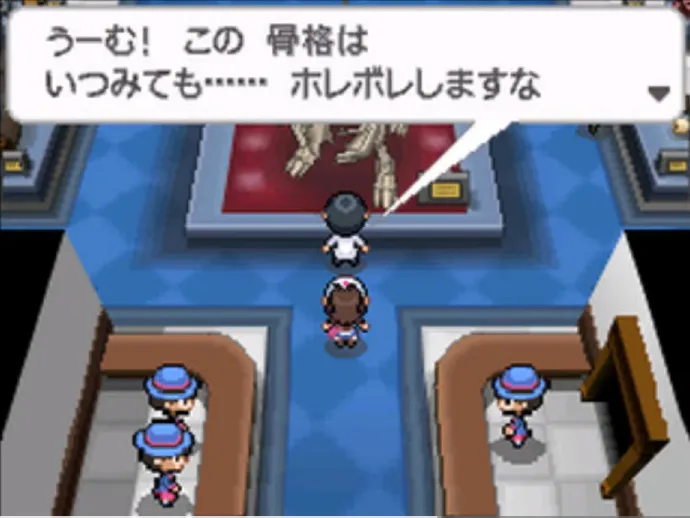
The story’s depth was widely praised and even got a perfect Famitsu score.
6, Pokemon Black 2/White 2 (NDS, June 23, 2012)
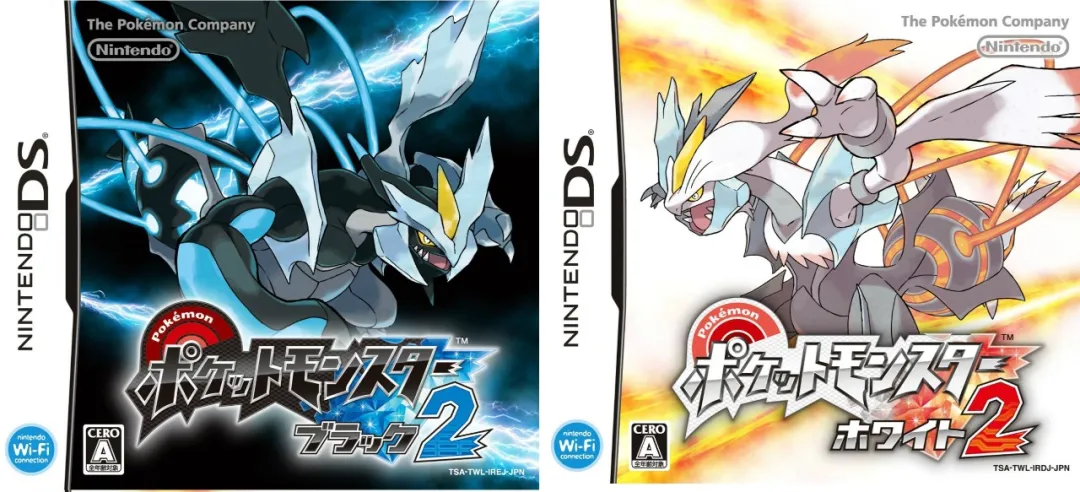
A direct sequel to Black/White, and one of the rare mainline entries with a continuing story. It added new locations and characters, while returning gyms and older NPCs got redesigned.
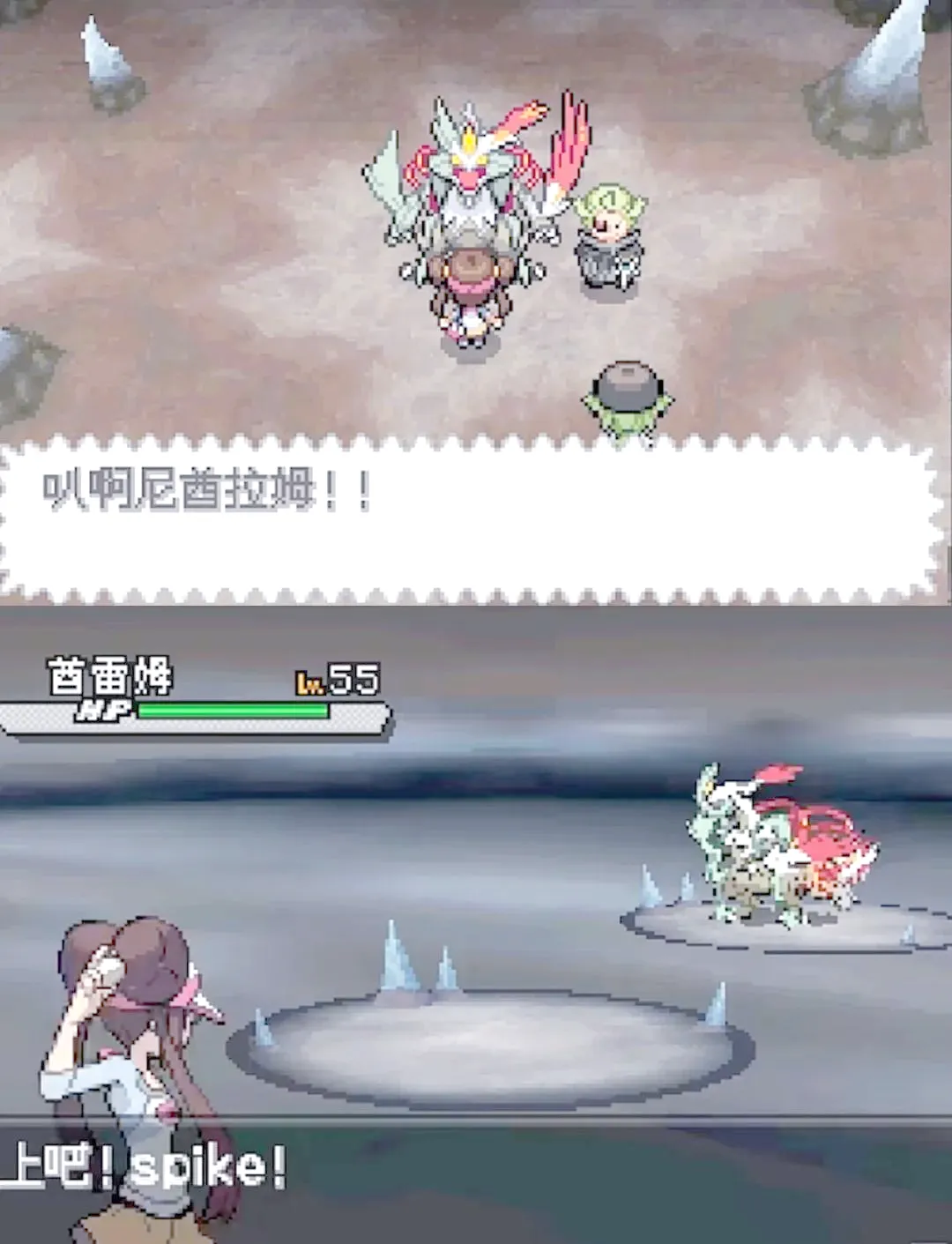
It also added things like Hidden Grottoes, Pokestar Studios, Join Avenue, and the Pokemon World Tournament.
7, Pokemon X/Y (3DS, Oct 12, 2013)
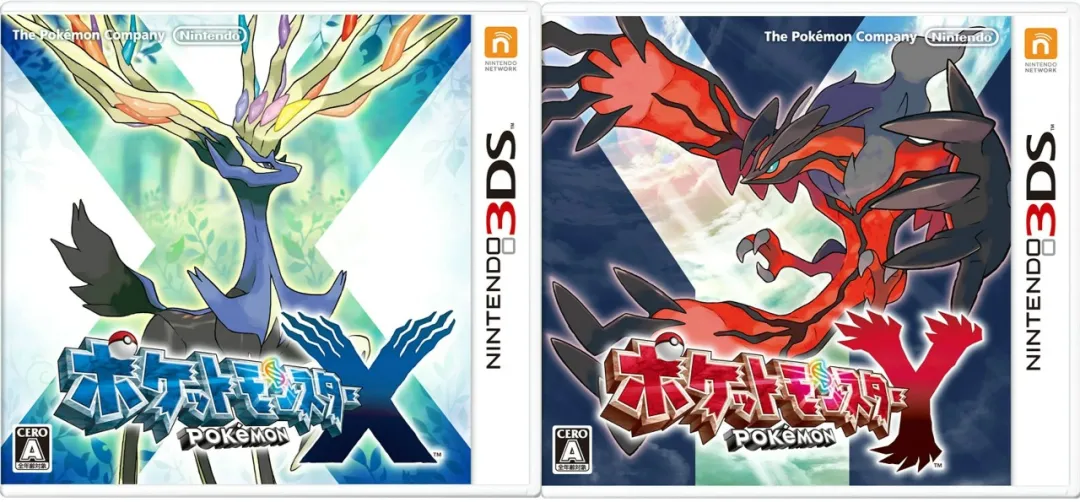
Gen 6 is set in Kalos.
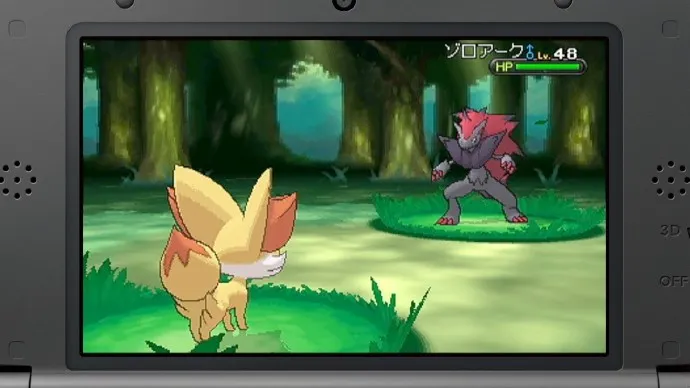
This was the first fully 3D mainline Pokemon. It supported glasses-free 3D, added 72 new Pokemon, the Fairy type, character customization, and new battle training systems. Mega Evolution was introduced, letting some fully evolved Pokemon evolve again.
8, Pokemon Sun/Moon (3DS, Nov 18, 2016)
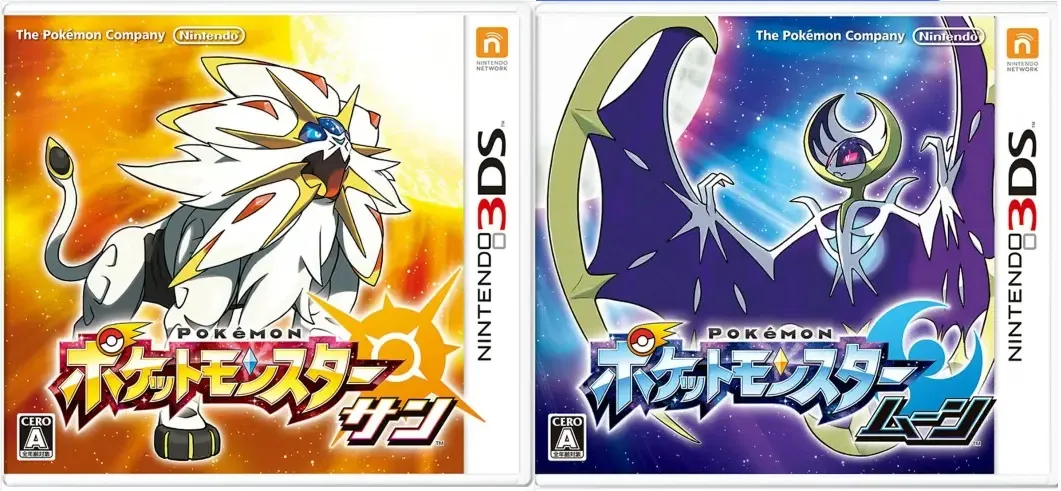
Gen 7 takes place in Alola. It ditched traditional gyms in favor of island trials. It introduced 81 new Pokemon (not counting 18 regional forms), Z-Moves, and Festival Plaza.
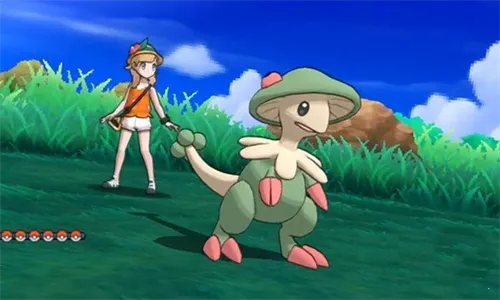
Z-Moves hit ridiculously hard. It was also the first mainline entry to include Simplified and Traditional Chinese.
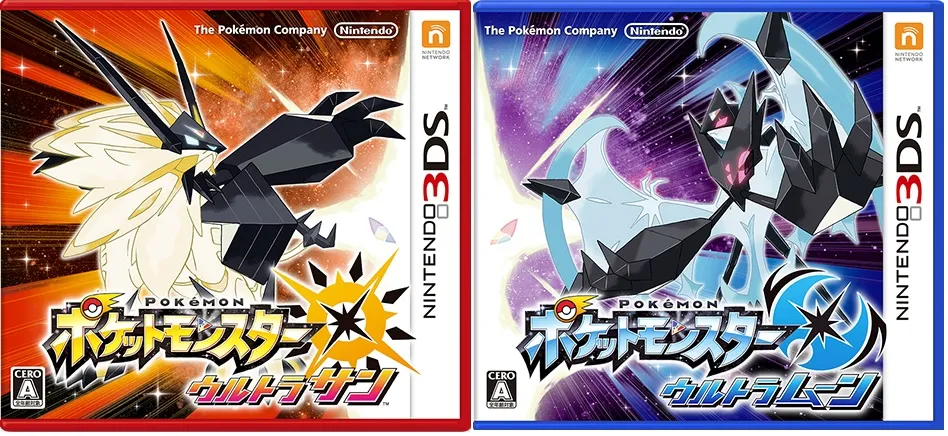
The enhanced versions, Ultra Sun/Ultra Moon, released Nov 17, 2017, expanding the story.
9, Pokemon Sword/Shield (NS, Nov 15, 2019)
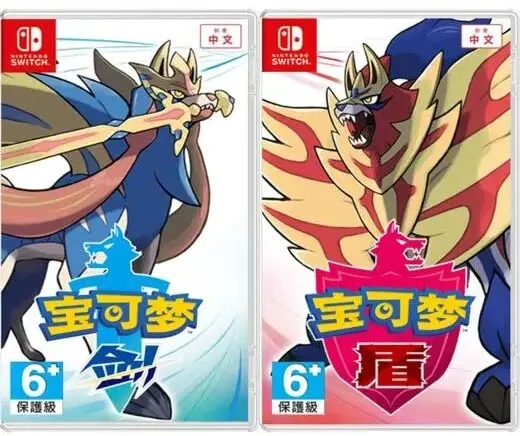
Gen 8 is set in Galar. It introduced the semi-open “Wild Area” and Dynamax battles.
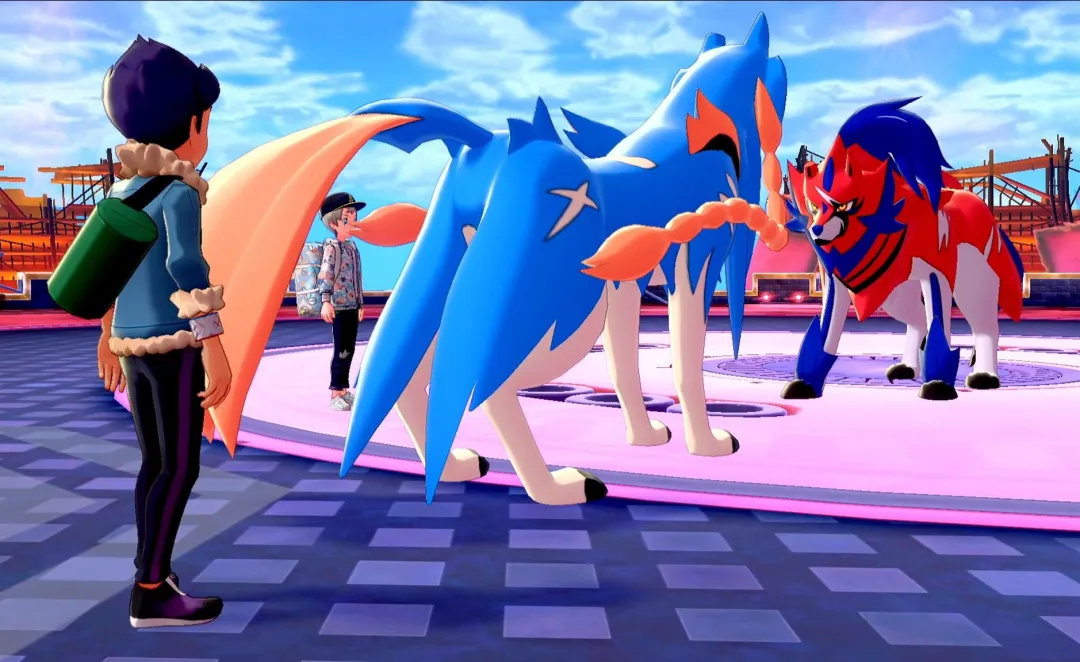
DLC later added The Isle of Armor and The Crown Tundra.
10, Pokemon Legends: Arceus (NS, Jan 28, 2022)
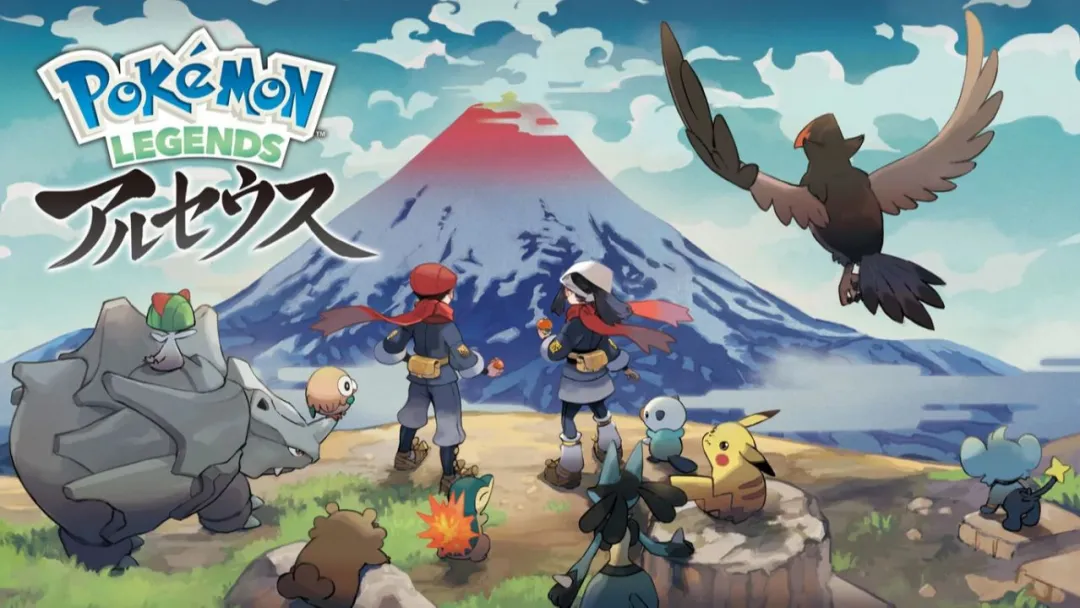
This one is a spin-off style open-world action RPG.
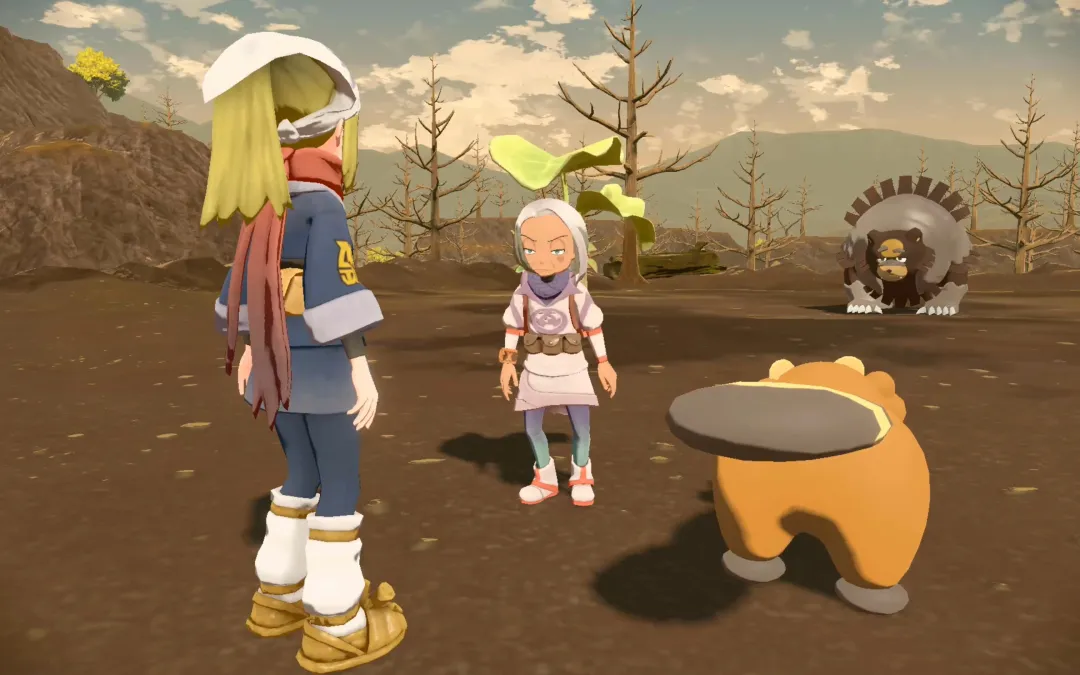
It is set in ancient Sinnoh (the Hisui region) and focuses on real-time catching and faster-paced battles.
11, Pokemon Scarlet/Violet (NS, Nov 18, 2022)
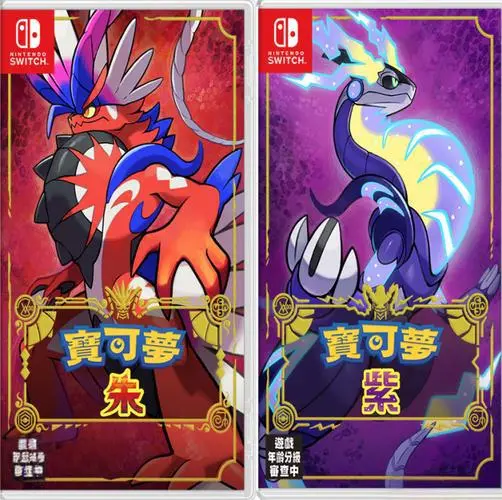
Gen 9 takes place in Paldea. It is the first truly open-world mainline game, with three story paths you can tackle freely. It also introduced Terastallization, which changes a Pokemon’s type.