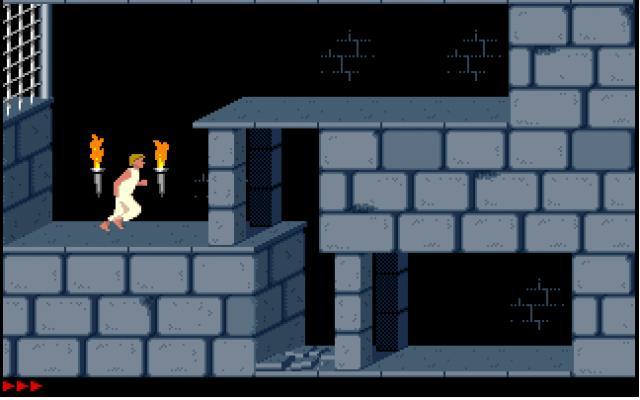
Prince of Persia is one of those old-school series that a lot of players still have a soft spot for. And honestly, before the Sands of Time trilogy blew up, the first two classic 2D games were already a big deal for action platformers.
They used rotoscoped animation, so everything from running to chugging a potion looked weirdly lifelike for the time. Then they sprinkled in loads of surprise death traps, which kept the whole thing tense and exciting. That combo is basically how the series hooked people back then.
Back then Ubisoft was only distributing the series in France. After Prince of Persia 3D flopped, the rights eventually landed with Ubisoft, and that is when the whole “time magic” identity kicked in.
The Sands of Time era was the golden run, but later the franchise got pushed aside by Assassin’s Creed and went quiet for a long while.
Now that retro is cool again, Ubisoft finally brought it back with The Lost Crown.
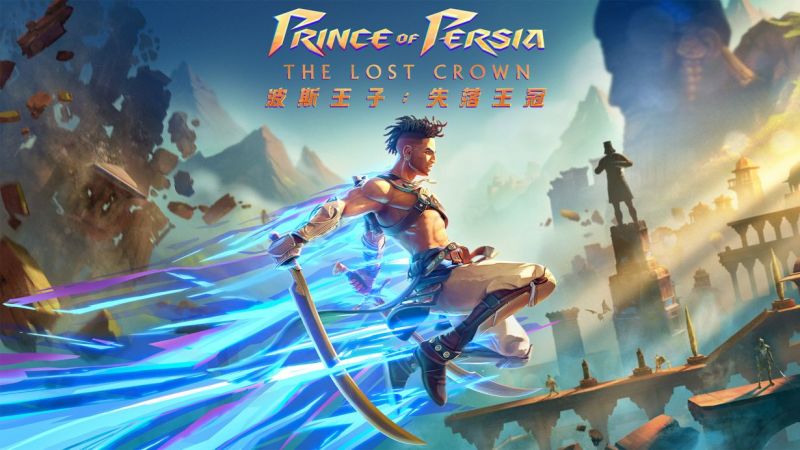
The Lost Crown is more retro than I expected. It is 3D, but it skips the 3D era vibes and goes straight back to 2D side-scrolling. Also, this is not a Montreal game. It is made by Ubisoft Montpellier, the Rayman crew.
So you have classic 2D DNA + a team that knows how to make slick side-scrollers. The mix works better than it has any right to.
A Prince of Persia where you are not the Prince
The first surprise hits right at the intro.
Assassin’s Creed started as a Prince of Persia spinoff idea where you rescue the Prince. Ubisoft did not want a Prince of Persia game without the Prince, which is how Altair and the Assassins came to life.
The Lost Crown basically says, “what if we actually did that idea?” You play as Sargon, the youngest warrior of the Persian Immortals, heading to Mount Qaf to rescue Prince Ghassan. Time is busted, curses are everywhere, and yes, the time magic theme is still alive.
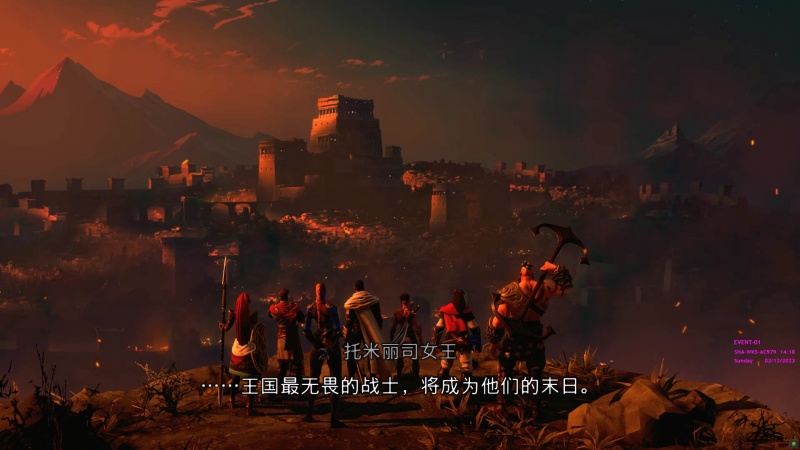
The story is not wildly twisty, but it is solid, classic Sands of Time vibes. The pacing is quick, the dialogue is tight, and the game does not waste your time with endless cutscenes.
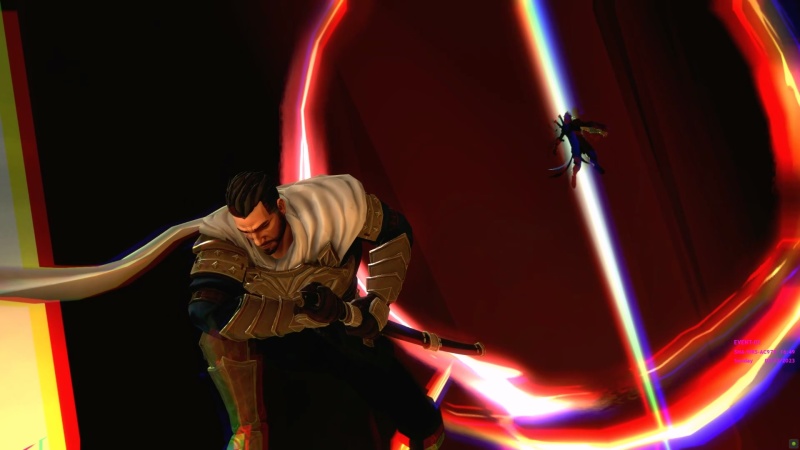
The comic-book art style, dramatic lighting, and fast combat animation all hit. The music swings between hype and moody. Boss fights mix cinematic flair with real-time control, which makes them feel extra intense.
Mount Qaf, Metroidvania-style
Mount Qaf is the semi-open world, built like a modern Metroidvania. There are 8 main areas plus 3 story regions.
Once you reach Sky Camp in the Lower City, you can choose your path. Go up to the script-covered Archives and the heavily guarded Upper City. Go right into lush forests that hide danger in the grass. Go down into poison pools and trap-filled depths, and if you keep pushing you end up in the spiky, explosive Drowned Harbor and the sandworm-infested Eternal Sands Pit.
Everything connects in multiple ways, and the visuals change constantly. Later zones get huge and dramatic, and the scenery never gets boring.
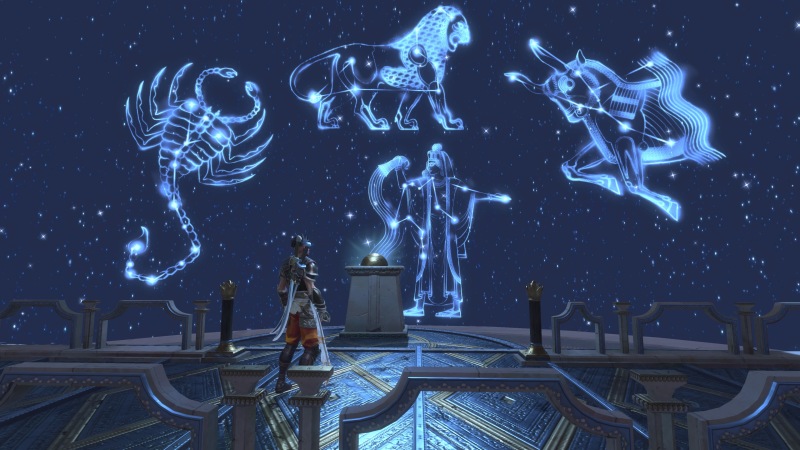
Guidance is light, which is rare for Ubisoft. You get six time powers: dash, teleport, swap worlds, grab projectiles, double jump, and grappling hook. The game teaches each one through the main path instead of hard tutorial pop-ups.
Double jump is a good example. At first, there is just a tall exit so you use it once. Then you get rotating saws on floor and ceiling, so you naturally combine double jump with dash. Later, the only safe spot is above the saws, so you dash, flip direction, double jump to the wall, then wall-jump up. It is clever, and it feels good.
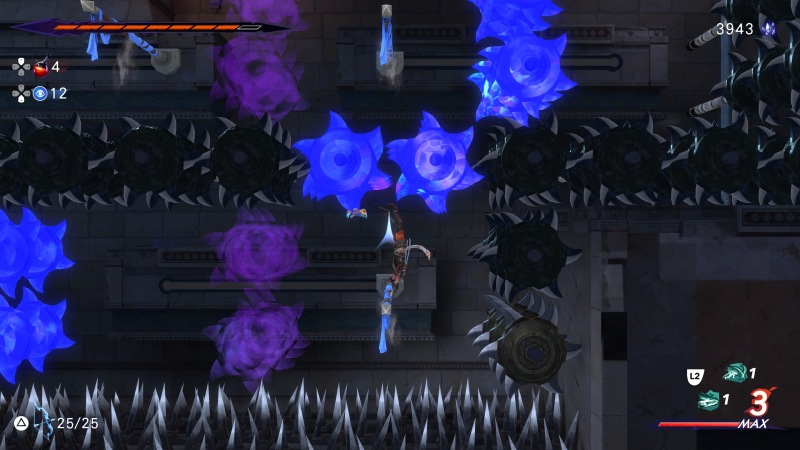
After that, the traps get more complex but never impossible. A little observation goes a long way, and when you pull off a tricky sequence it feels awesome.
Puzzles, platforming, and getting lost
Most areas mix puzzles, platforming, and combat. Early on you get four side quests that guide you toward upgrade items and keep showing up throughout the game.
You start noticing little hints everywhere: a weird wall while riding an elevator, a landmass across a giant gap, a suspicious dead-end room. When you check those out, the game usually rewards you with a secret. It is pretty satisfying.
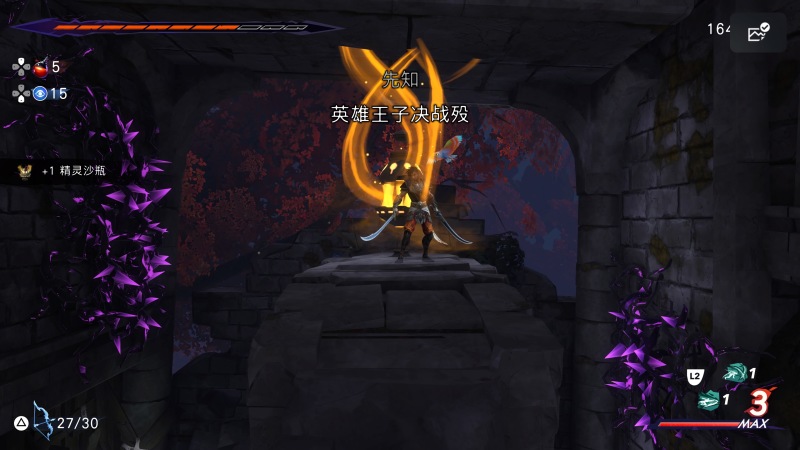
The map is big and interconnected, so getting lost is part of the fun. The tricky part is helping players not get stuck.
The easy guidance mode adds markers and even lets you skip tougher platforming and puzzles. That is fine for newcomers, but it kills a lot of the discovery, so I would not recommend it.
In normal mode, the map stays clean but gives you a smart tool: Memory Shards. If you find a chest you cannot reach, you can drop a marker with a screenshot. Later, when you check it, you immediately remember why you marked it. It is way better than a plain pin, and I wish more Metroidvanias did this.
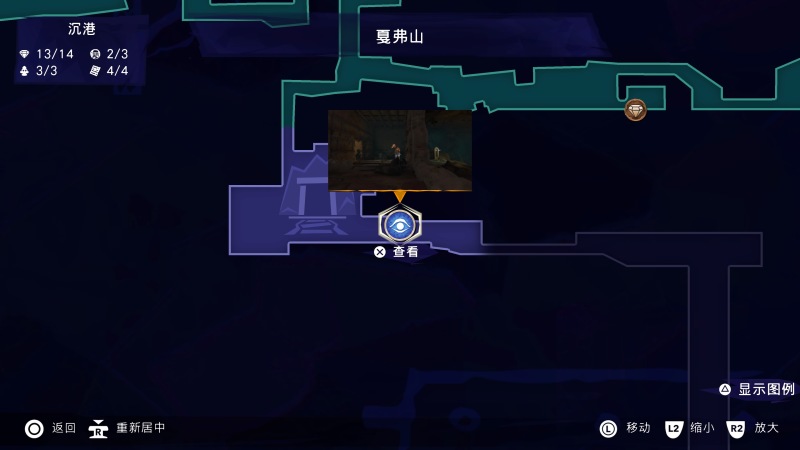
The puzzle design is mostly great, but the late-game stuff gets a little nasty. The early curve is fair. The endgame spikes hard.
One platforming challenge has moving pillars with spikes above and below. The climbable edges are tiny, you have to grab three items, and one slip sends you back to the start. It feels like Getting Over It for a bit.
Another puzzle with time clones has a nested, “puzzle inside a puzzle” design. You think you solved it, then another hidden layer appears and you have to throw out your logic and start again. That moment is pure frustration.
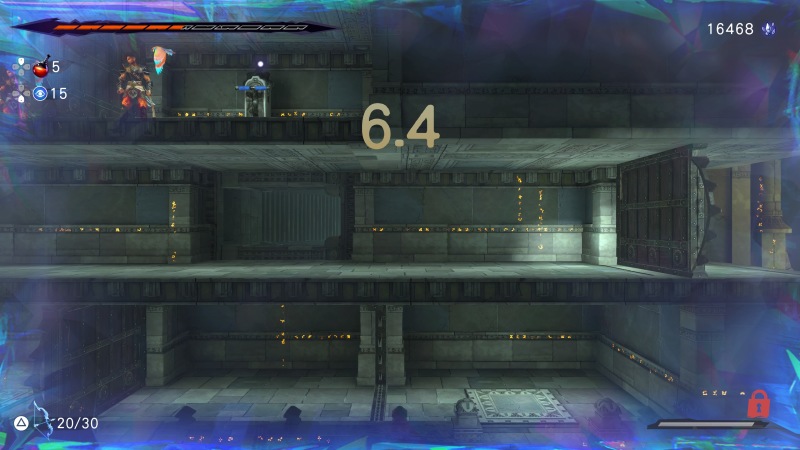
These puzzles ignore difficulty settings. If you want full completion, you have to eat the pain, and the reward is just more collectibles. Even if you enjoy the challenge, it is not always worth the time sink.
A great balance between exploration and combat
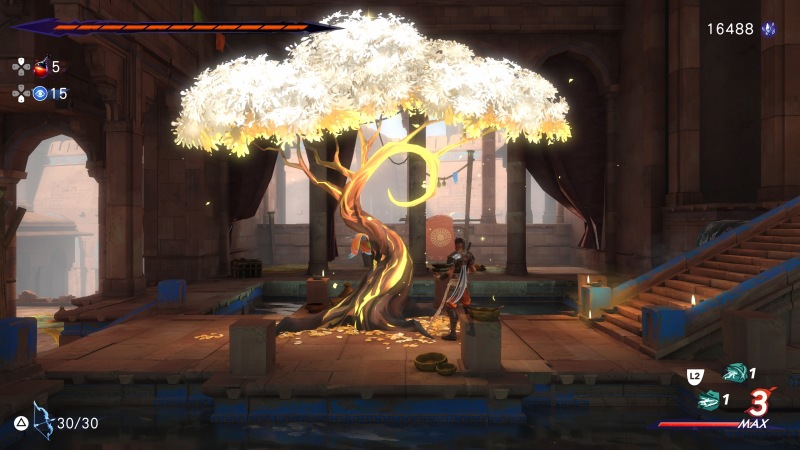
Like most Metroidvanias now, the game borrows a bit from Souls: golden tree checkpoints, limited healing flasks, and talisman-style gear.
Combat is not brutally hard, but it has enough bite to stay fun. The action system feels like old God of War: combo-based with air juggles and ground slams. You can weave time powers into everything.
Teleport lets you drop a shadow, air-combo, slam down, and blink back to keep the juggle going. Grappling hook can pull enemies to you or pull you to them. It is easy to pick up and super satisfying once you get it.
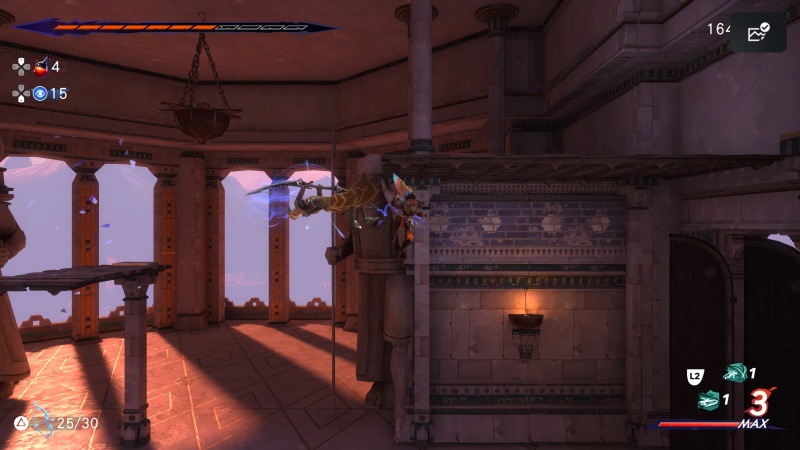
Fights also feel different depending on who you are fighting. Small mobs can be juggled and slammed. Elites have hyper armor, so you need clean parries and smart timing. Bosses demand practice, dodging their patterns, and parrying big attacks for openings.
Each region has its own enemy roster and bosses, so the fights stay fresh.
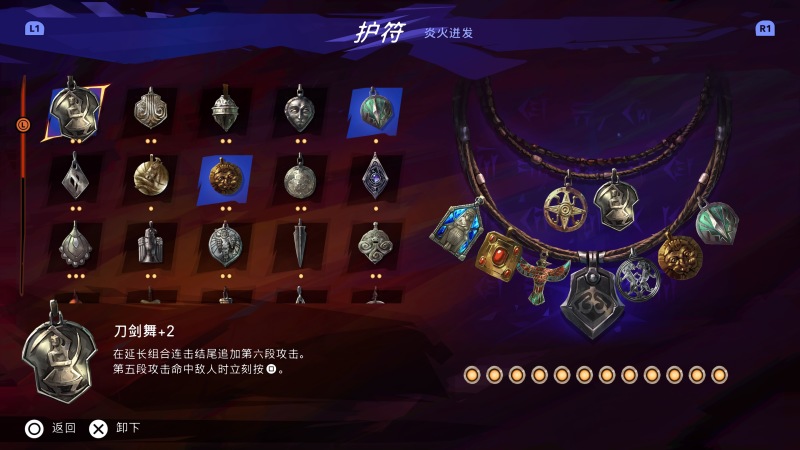
Talismans let you play your way. If you like aerial combos, equip air boosts. If you lean on parries, grab the talisman that heals on block. Simple and flexible.
The game also loves dropping a shortcut to a golden tree right when you are low on resources, which keeps pacing tight. Exploration and combat feel balanced in a way you do not usually see in Ubisoft games.
Play in whatever style feels best and you get a run that is not too hard, but always exciting. That balance is a pleasant surprise here.
Wrap-up
Ubisoft Montpellier plus classic Prince of Persia DNA makes The Lost Crown a real surprise hit for me.
It nails the retro vibe with deadly traps and tough enemies, but it is not stuck in the past. The Metroidvania exploration, light Souls touches, stylish combat, and constantly fresh environments all keep it fun.
Even with the late-game puzzle spikes and no New Game Plus, the overall package is strong. For me, this is the most fun Ubisoft game in years.
Score: 9.0
Pros:
Tough, satisfying platforming puzzles
Great semi-open Metroidvania map
Lots of variety in environments and enemies
Fast, flexible combat system
Big, stylish in-game cinematics
Cons:
Late-game puzzles are extremely unforgiving
No New Game Plus (yet)