Playtest notes on The Last of Us Part II Remastered: the new roguelike mode is way more replayable than I expected.
It has been three years since the original release, and The Last of Us Part II still carries that weird double weight: big artistic ambition, and a long-running storm of debate from players. I can only imagine how that mix feels for Naughty Dog and Neil himself.
At this point, re-litigating the story is not the point. I wanted to share the new content in the remaster, plus how it feels on PS5.
First, save transfer is painless. You can bring PS4 saves via USB or PS+ cloud. Once imported, the game drops you right back where you left off, and the PS5 trophy list syncs with whatever you already unlocked.

No Return (Roguelike Survival): better than I thought
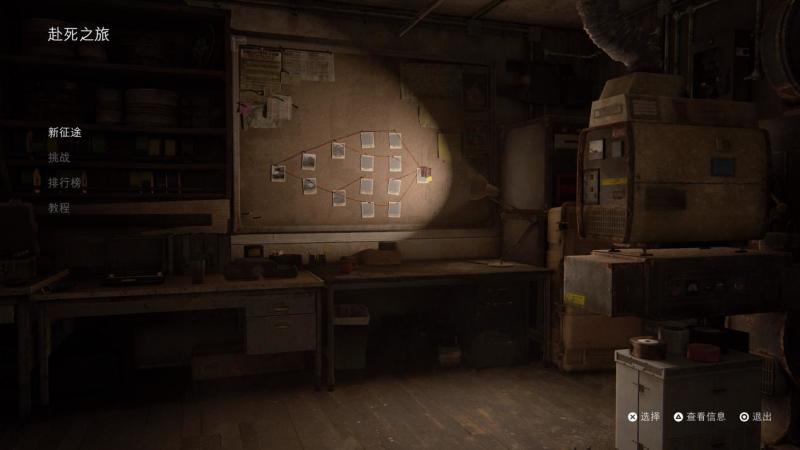
From the main menu, pick “No Return” to jump into the new roguelike mode. It only suggests you finish the main story first, but it does not force you. Think of it as a playground to get your hands warm.
There are six difficulty tiers. Each tier changes your score multiplier and how much resource you can earn per run. Higher difficulty means less loot, more incoming damage, tighter enemy aim, more frequent projectiles, more aggressive behavior, faster awareness, nastier melee strings, and quicker high-threat enemies. You feel all of it.
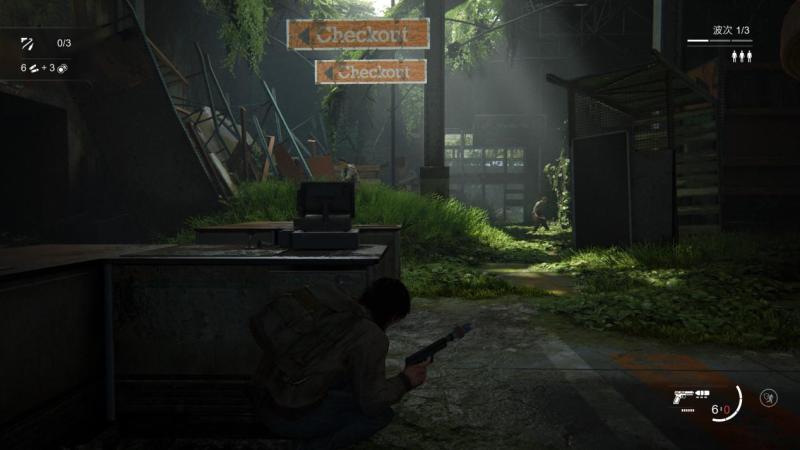
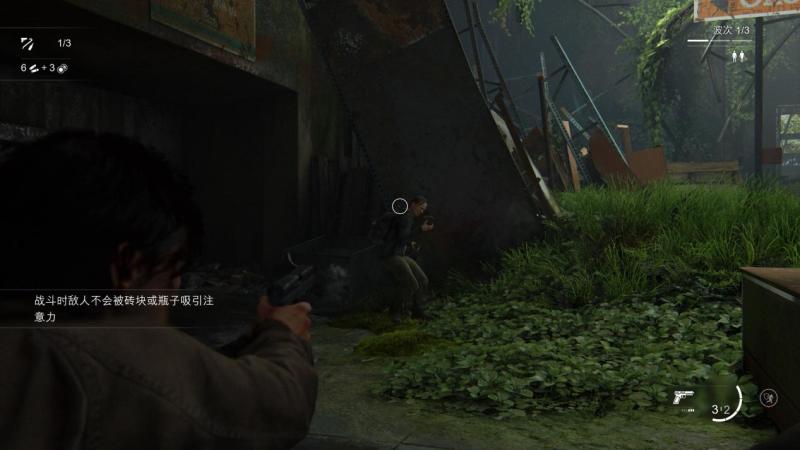
Maybe I had not touched the game in a while, but even on Normal (1.5x score), the cautious and feral enemy AI almost flattened me. That was the exact moment I started liking this mode.
Each run asks you to clear 6 stages out of a pool of 14, ending with a big boss fight. On Normal, a run takes roughly 20-40 minutes. The branching map tells you the next stage’s enemy types and rewards, so you can plot a route instead of just rolling dice.
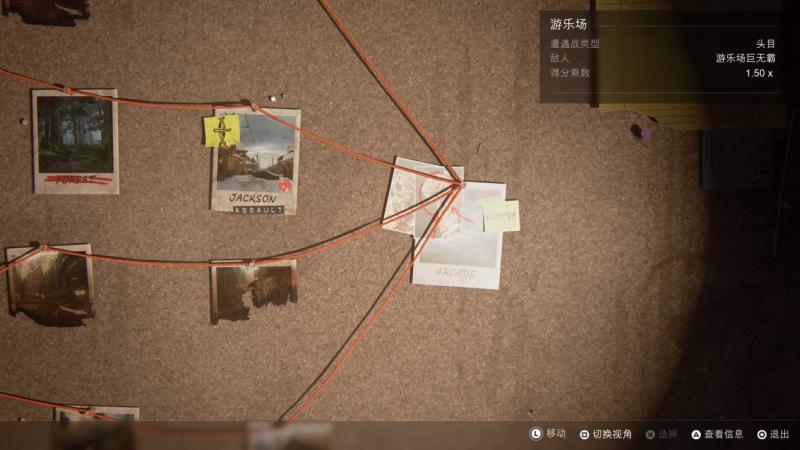
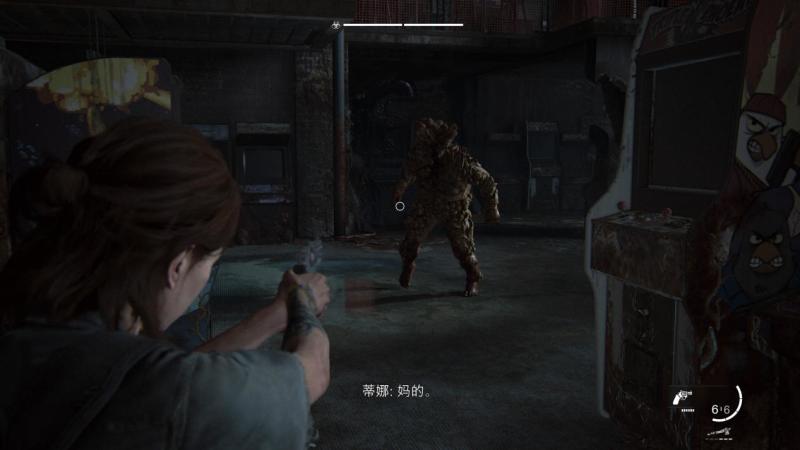
Stages are pulled from the main campaign, but the objectives rotate between three types. The first is Assault: three waves of enemies (about 3-5 per wave) hunt you down. The AI deserves praise here. On Normal and above, enemies coordinate sweeps and flanks, and the pressure ramps up slowly until every step of your stealth matters. Humans or infected, the feeling is the same: they are closing in.
They also call out bodies, which changes search patterns. With limited ammo and flimsy melee weapons, getting rushed by three people head-on is usually a death sentence. The pacing slows down in a good way, and stealth kills start to feel delicious again.
The second is Hunted: a countdown with endless enemies, and they already know where you are. Hiding does not help, so your combat fundamentals actually matter.
The third is Capture: enemies guard a stash, and it locks when the timer ends. You need to sneak in and clear the room fast.
There are also three wild cards. First is an ally, shown on the stage selection. Second is a “challenge modifier” that adds an optional twist. Third is a sudden spike called “Risk It All,” which spawns a powerful enemy with extra rewards if you win.
After a run ends (clear or death), all upgrades and rewards reset. Still, you can unlock new playable characters, progress challenges, and earn skins for characters and weapons. Daily Runs also let you post your score to the online leaderboard.
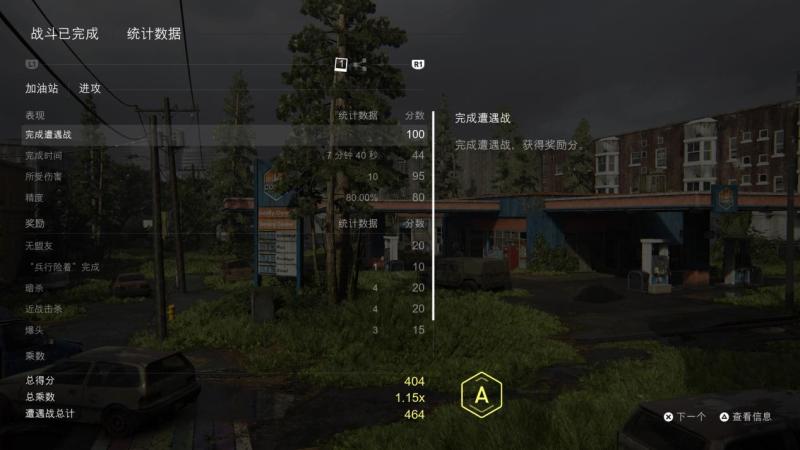
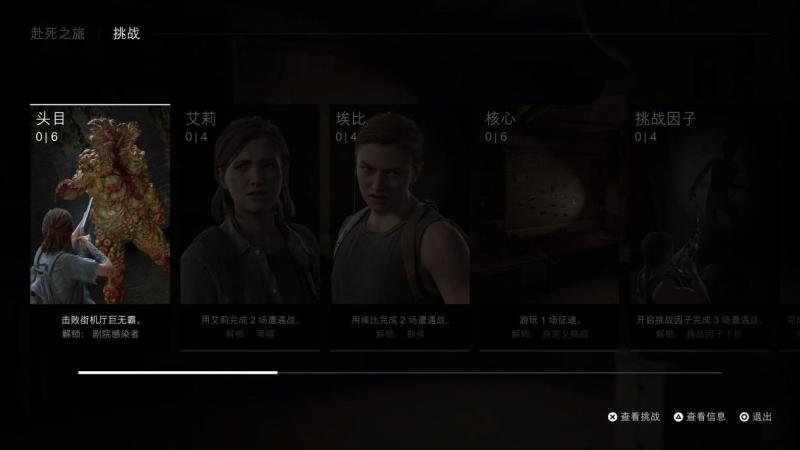
There are 10 playable characters, from Ellie at the start to later unlocks like Manny, Mel, and Yara. Each has distinct weapons and combat styles. After every stage you return to the hideout for weapon upgrades; crafting and skill upgrades can be done either at the hideout or inside a stage. Put it all together and the runs feel surprisingly flexible. There is enough to unlock to make replays worth it, and I easily got eight hours of fresh experience out of it.
Three unreleased early dev levels: more curiosity than content
Another remaster highlight is the trio of unreleased early development levels.
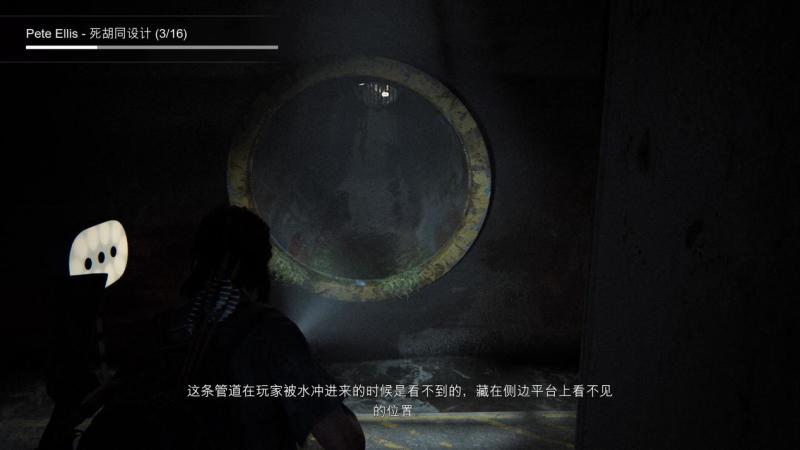
Honestly, keep your expectations low. These are tiny maps you can clear in minutes, and they are rough. The value here is the developer voice notes placed around the levels.
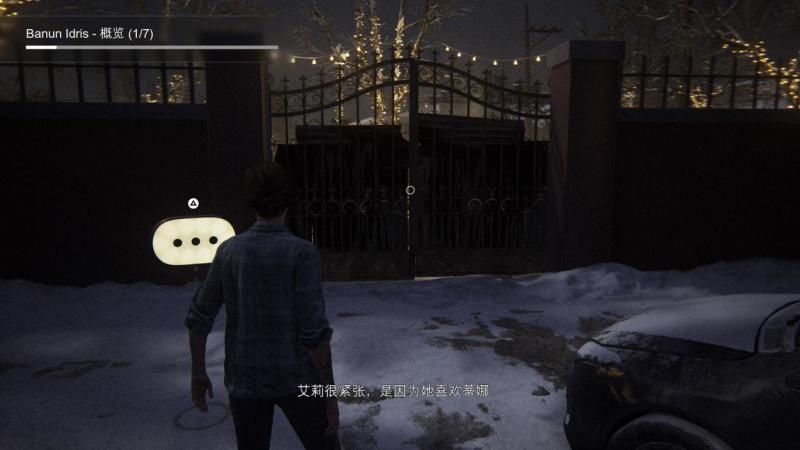
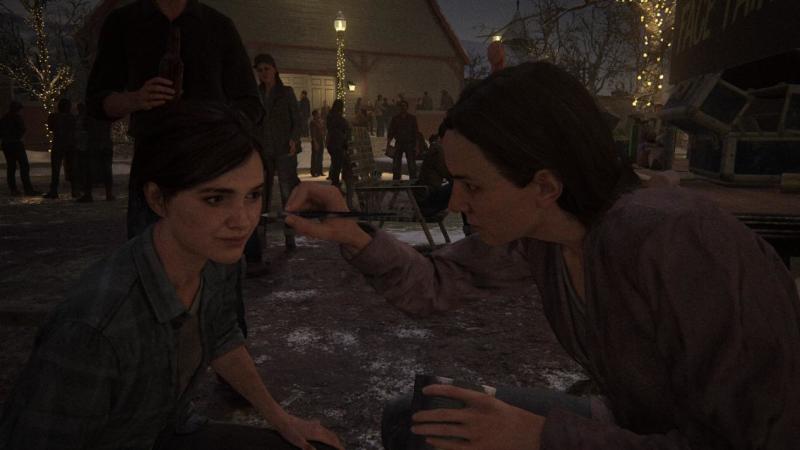
From the main menu, go to “Behind the Scenes” and pick the three “Lost Levels”: Jackson Party, Seattle Sewers, and The Hunt. They show the team’s early thinking on co-op interactions, exploration guidance, and how they tried to express Ellie’s emotions through gameplay. If you care about game dev stories, this is the good stuff. Neil also appears to explain where these levels came from.


New mode: Guitar
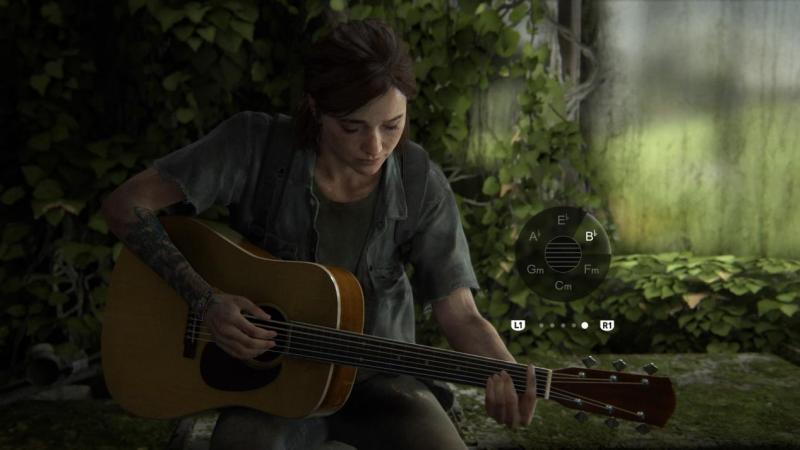
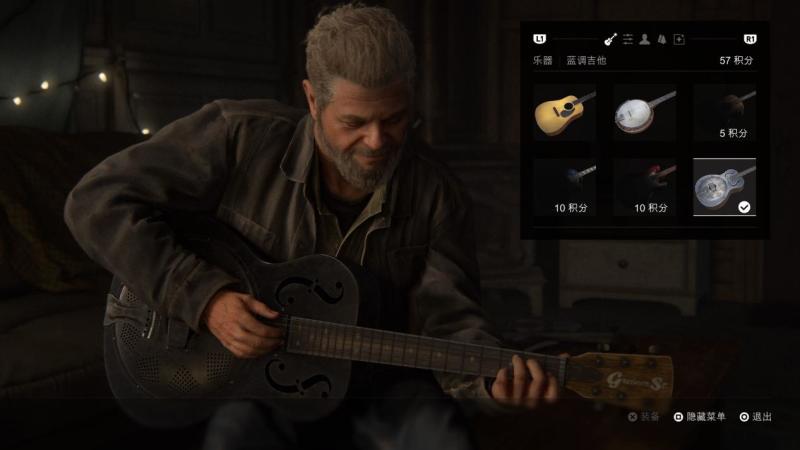
“Extras” adds a guitar mode with free play and speedrun options. The controls are simple: pick chords with the stick and brush the touchpad. You can also customize the performer, guitar type, backdrop, and effects. It is surprisingly shareable.
PS5 upgrades that actually show
Fidelity mode supports native 4K output and VRR. Texture clarity, shadow detail, and overall sharpness are visibly better. That is not marketing fluff. Side-by-side with the PS4 version, the gains are easy to see, and they really sing on a big screen.
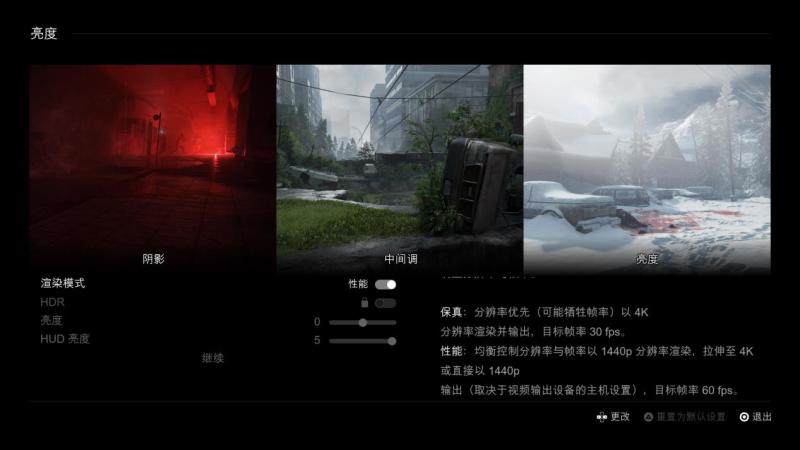
DualSense support is also more nuanced than I expected. Each weapon has distinct haptics and adaptive trigger feedback, and it feels like Naughty Dog really dialed it in.
Wrap-up
Forget the “worth it” debate for a second. The remaster delivers a little something for different kinds of players. The roguelike mode is the big win, the guitar mode adds mood, and the three dev levels are more of a backstage pass than a full attraction. Layer on the PS5 visual/audio bump and it feels like a genuinely sincere remaster, not just a quick cash-in.