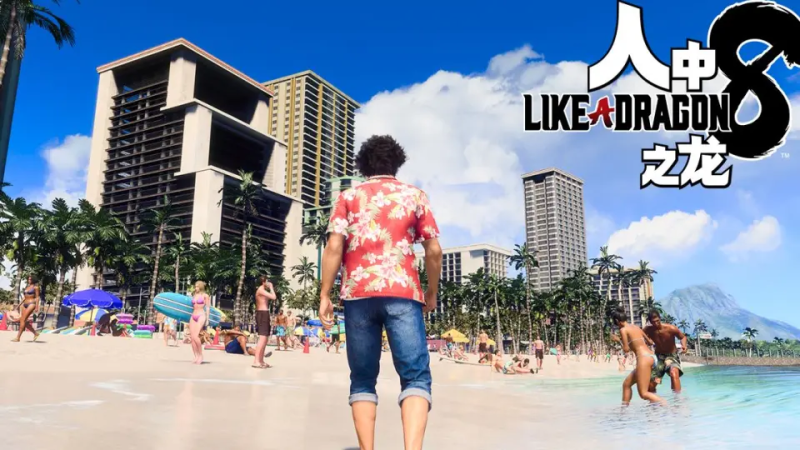
Like a Dragon 8 is finally here, and this time we get both Simplified Chinese subtitles and full Chinese voice acting, which makes the whole experience way smoother for Chinese players. The main story is thick, the side quests are plentiful, new jobs and playable characters are strong, and the brand-new minigames are dangerously addictive. A hundred hours is easy. This is also the series’ first overseas stage: Kasuga’s mother-search journey begins in Hawaii, and the vibe is totally different. One quick tip: only the Deluxe and Ultimate editions include the “PREMIUM NEW GAME” multi-playthrough mode, so trophy hunters should plan ahead.
Review based on the PS5 version
Story and Pace: Tighter, But Still Breathing
The story is noticeably tighter than Like a Dragon 7. The character animation and dialogue beats feel carefully planned. Kasuga Ichiban is still all heart and optimism, while Kiryu Kazuma brings calm, seasoned gravity. That contrast makes their partnership click. New playable characters are, as usual, introduced chapter by chapter and join at well-timed moments.
As an RPG that actually wants to tell a story, this one balances tension and release well. Side quests are deliberately placed to defuse the series’ yakuza-drama intensity, though if you prefer a clean, uninterrupted main-story sprint, you may feel the pacing gets interrupted. A small but nice touch: chapter titles appear first in Japanese, then in Chinese, which scratches the “original title” itch for some fans.
Cast and Emotional Peaks
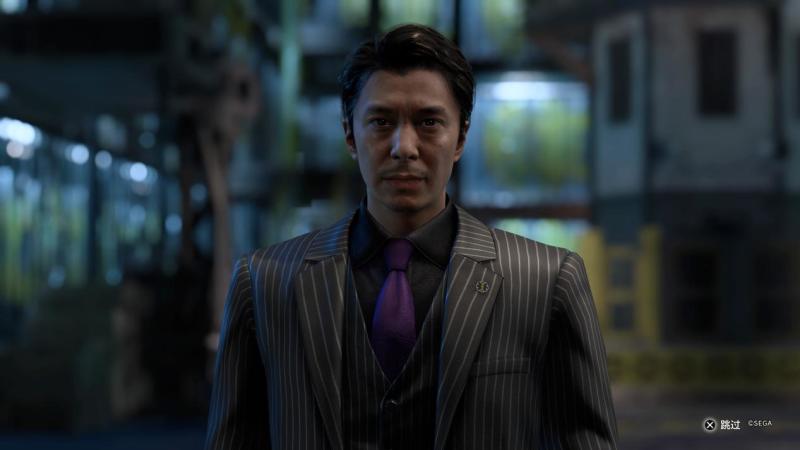
The cast is stacked: Shinichi Tsutsumi, Akira Yasuda, Ryo Narita, and Satoru Iguchi are joined by Hiroki Hasegawa (as Masataka Ebina), a familiar face if you watched the 2020 taiga drama. I’ve been curious about this character since the first reveal, and he’s given a meaningful role. I won’t spoil it, but story-focused players should look forward to it.
The ending of the Like a Dragon 7 side story already hit me hard, and this game somehow adds even more emotional lift. Completing Kiryu’s “last notes” doesn’t just power up his Dragon of Dojima combat style; it also revisits iconic scenes and faces that will absolutely make longtime fans tear up.
Hawaii as a Playground
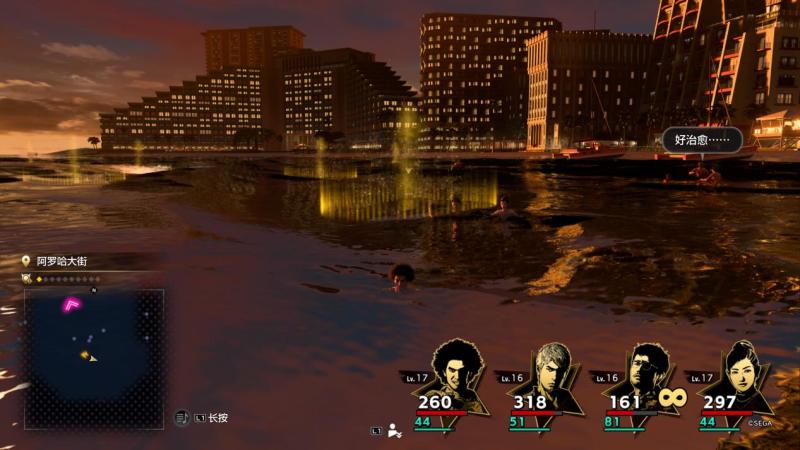
Environmental detail is still top-tier. Development happened during the pandemic, so the team couldn’t visit Hawaii early on and had to rely on online references, only traveling late in production. Despite that, the final result is gorgeous; stepping into Hawaii for the first time is a wow moment.
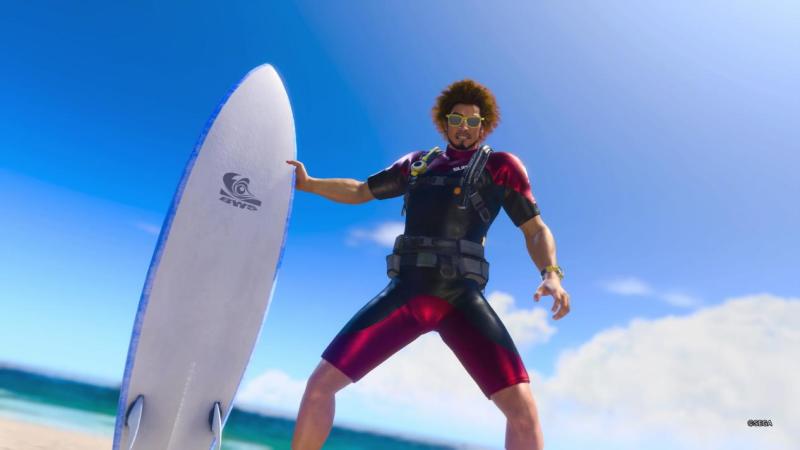
They refuse to miss any interactive detail. Even a coconut tree can become a comedy prop. Walk into the ocean and you automatically swim; your party swims in after you. You can change into swimwear, and instead of just sightseeing, you can dive for treasure. One minor oddity: Chinese voice acting is limited to story scenes, so street NPCs and shopkeepers still speak the local language, which can feel a little inconsistent.
Map Scale and Exploration
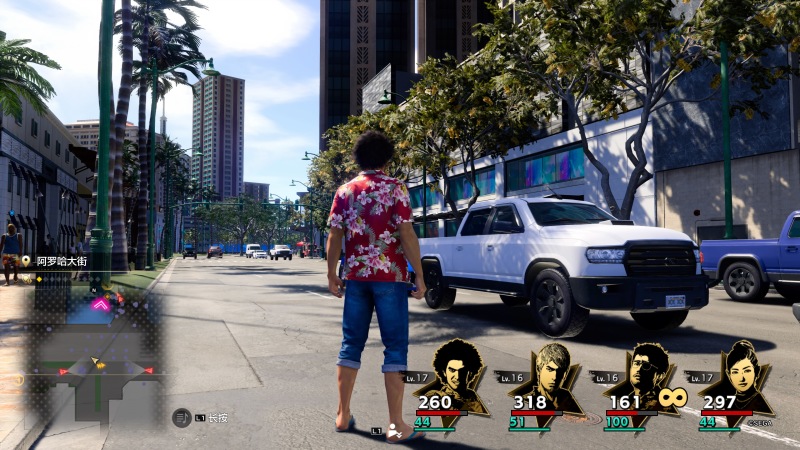
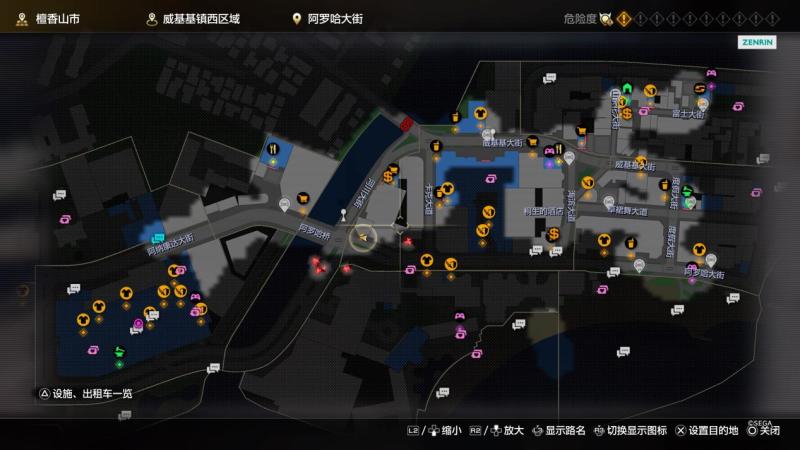
The marketing line was wild: Ijincho is three times the size of Kamurocho, and Hawaii is three times the size of Ijincho. It’s not far off. The map is massive and full of unknowns, so taxis become essential. A new Segway-style ride helps too.
Unexplored areas now show as shadows. You might see a shop or side quest icon, but you won’t know the environment or enemy threats until you go there, which makes exploration feel more exciting. Restaurants are fewer, but pickup items and food vendors are more common, so emergency supplies matter. Random encounters are noticeably more frequent, and strong enemies are marked in purple. Even normal mobs can be dangerous early on. I tried to stop a street extortion attempt shortly after arriving in Hawaii and almost got wiped.
Combat: Movement Changes Everything
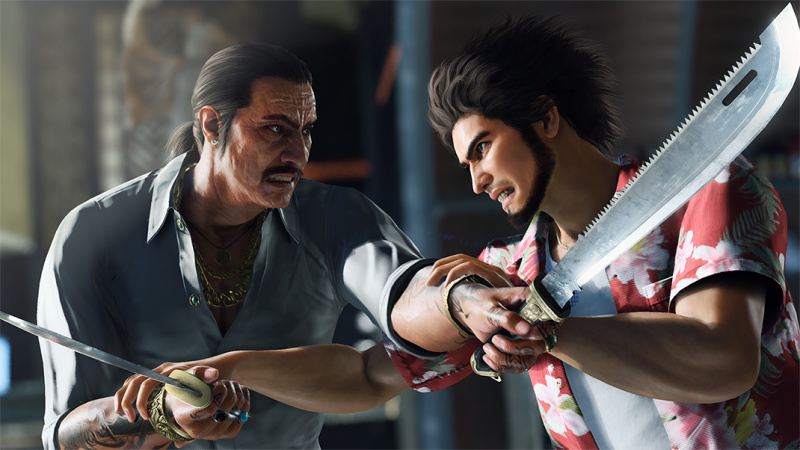
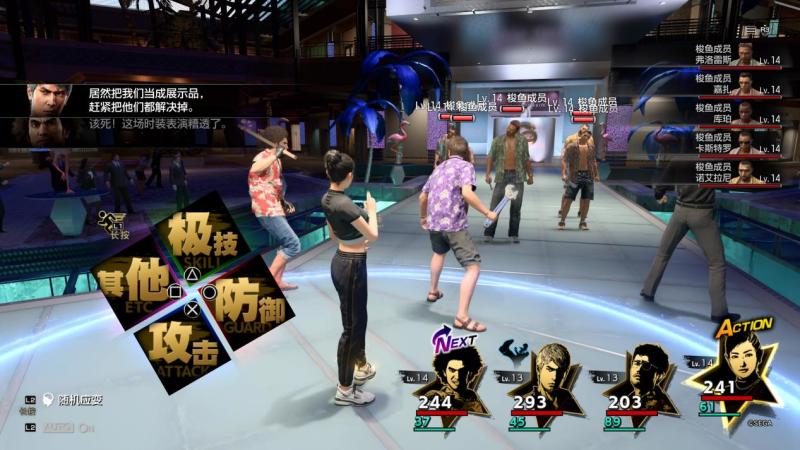
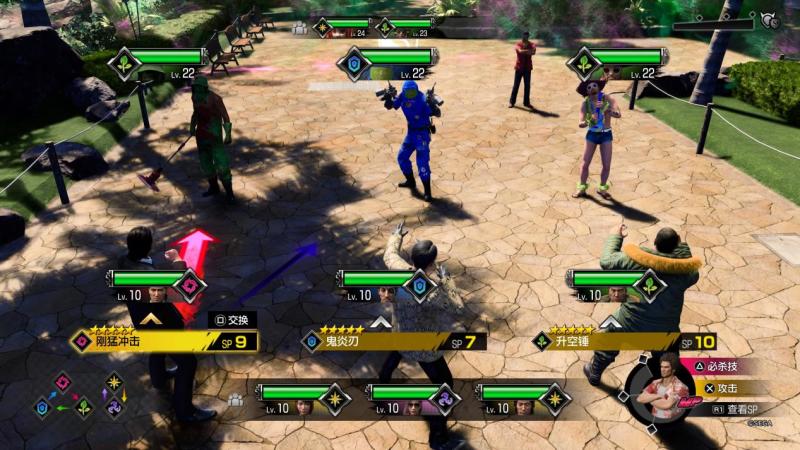
Combat got a major overhaul. You can now reposition characters by moving, and the new “attack trajectory” system lets you line up enemies so they bounce for extra damage. You can also knock enemies toward allies for a follow-up attack, and back attacks get bonuses. Against tough foes, that extra hit can decide the fight, so positioning is critical.
Elemental attacks matter more, and weapon crafting lets you embed attributes to cover weaknesses and define party roles. Environmental props like gas canisters and sofas become usable when you’re close, and the game prompts you, keeping an eye on surroundings is now part of combat strategy.
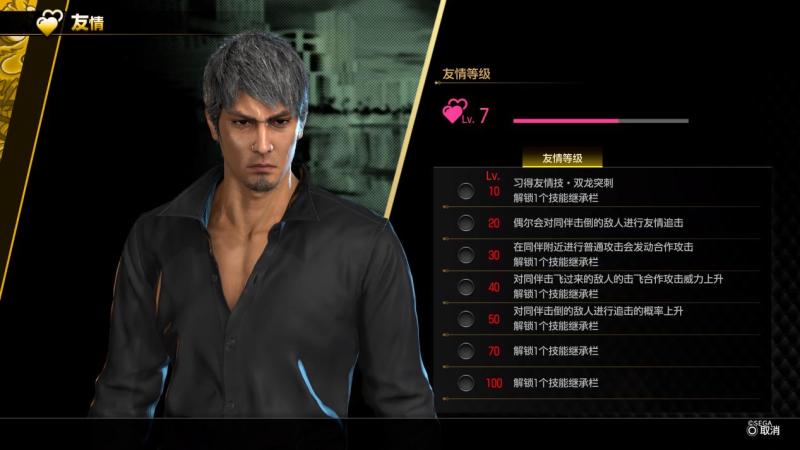
Bond growth also matters more. Chat with teammates to increase affection, and you’ll unlock new skills or damage boosts as friendship levels rise. These combat changes give the game a real strategic leap. I kept bouncing between main story and grinding because both were too tempting to ignore.
Jobs, Progression, and Money Pressure
The job system is deep and time-consuming (in a good way). You’ll find shops that cater to specific jobs, and many of the new classes clearly fit the Hawaii vibe. The devs also fixed the “switch jobs and get immediately weaker” problem from Like a Dragon 7. Now you can change jobs without fear, and the new wide-range skills and attribute tweaks are genuinely useful.
The downside is that job changes unlock a bit late. You need money, plus personality traits like Passion and Confidence, before you can switch. If you’re short, go take license exams, returning from the previous game and now packed with Hawaii-themed questions. The job-change CG cut-ins are also surprisingly slick, and you can choose from a few outfit styles that better match the new role.
Money is the real bottleneck in the main story. A single team meal can empty your wallet, this is not Japan pricing. Main quests, weapon upgrades, hiring outside help in battle, and even job changes all cost a lot. You’ll see luxury weapons worth tens of millions early on and just sigh. That’s why minigames and side content become your financial lifeline.
Side Content and Minigames: The Time Sink You Want
Side quests and minigames keep the series’ tradition of pulling in real-life memes and trends, like the new dating app, which mirrors recent Japan culture. Mid-game, you unlock the major side activity “Dondoko Island.” The name is a phonetic reading, but the original Japanese implies “the bottom” and “the poorest.” Your goal is to turn a trash island into a five-star resort.
It’s Animal Crossing-style: clean up trash, catch bugs, fish, and craft furniture. Building takes a ton of resources and time, but like the business management in the previous game, the returns are huge.
The other major side mode is Sujimon Battles. Training fighters goes beyond leveling into awakening and evolution. Card draws, PC systems, and battle venues are spread across the map, making it clear this is a major pillar of the game.
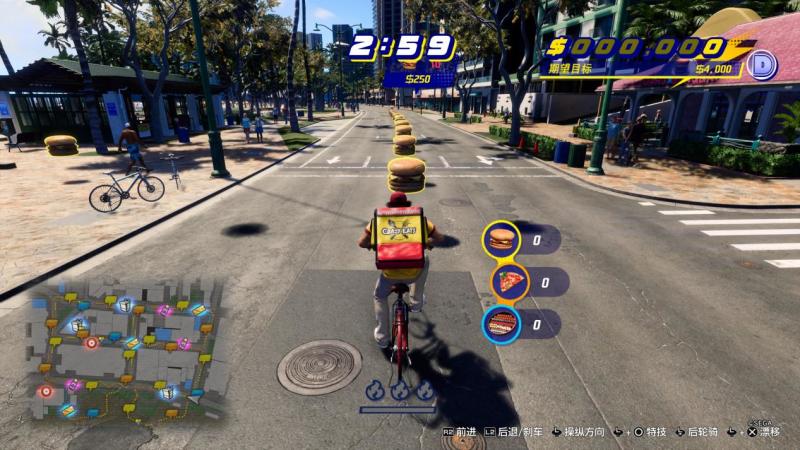
Between the two, my personal favorite is the bicycle delivery minigame. It’s fast, requires sharp reactions, and each round is short but super satisfying, highly recommended. There are also part-time hero jobs, a photography circuit, and plenty more. The content is rich; time is the real enemy.
Verdict: 9/10
With a tighter script and better modeling, Like a Dragon 8 is a case study in how an action series can successfully evolve into a full-fledged RPG. The UI is clean, the combat is genuinely strategic, and the sheer amount of content is ridiculous. Main story, side quests, a bit of minigames, and suddenly you have no time left in your life.
The addition of Chinese voice acting shows real respect for the Chinese market, and I hope the team keeps pushing in that direction. If you’re even slightly into JRPGs or this series, this is a feast you’ll want to sink into.