Why P3 Matters (And Where I’m Coming From)
Persona 3 is the series’ real fork in the road. Before it, the early games and the “Innocent Sin/Eternal Punishment” duo already had some school-life flavor, but the tone was still much closer to a serious SMT side story than a teen hangout.
Everything changed in 2006 when P3 made daily campus life and social relationships the main course, then layered in fashion-forward UI and pop-forward music. That’s when Persona truly peeled away from SMT, which is probably why fans have been begging for a remake for so long.
I’m not a P3 veteran. I knew the basics, never finished it, and my memories of the story were blurry at best. I properly got into the series with Persona 5, then plowed through P5 and its spinoffs. So yeah, I’m the “newer fan” type. That colors how I see Reload, and I’m owning that upfront.
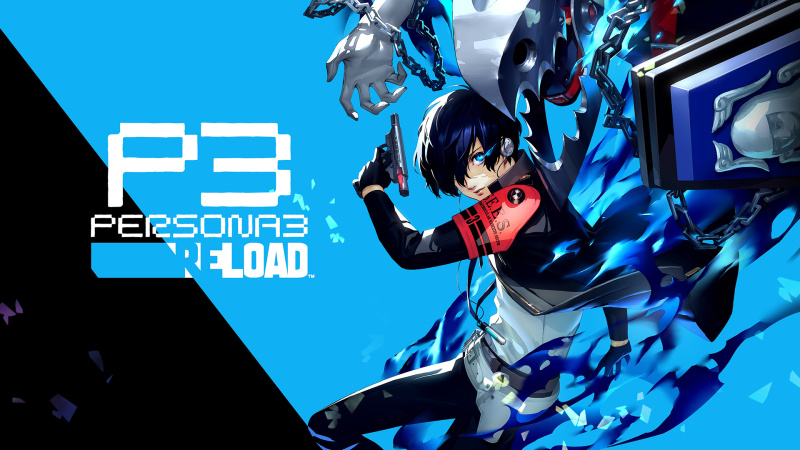
Visual Style and UI: From Rebellion to Elegy
Coming straight from Persona 5 into Reload is a trip, especially in the UI. P5’s red‑and‑black blaze of rebellion flips hard into P3R’s cool, melancholic blues. The switch yanks you out of the Phantom Thieves’ swagger and drops you into S.E.E.S.’s solemn, death‑tinged vibe.
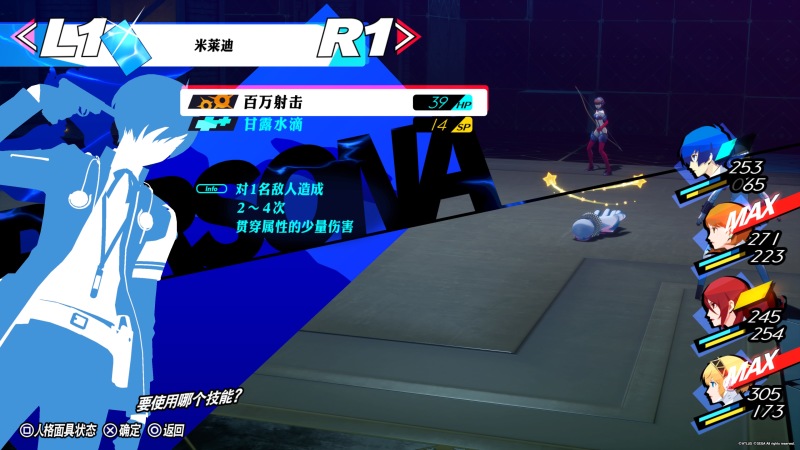
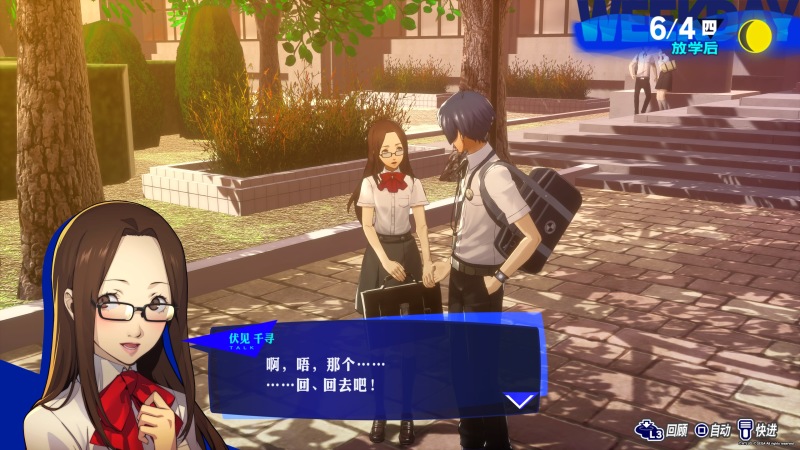
Reload keeps the original palette and scene‑specific styling, but layers in P5’s slanted, flat‑cut silhouettes and even adds animated UI during idle and submenu transitions. Open the menu and the protagonist, Makoto Yuki, looks like he’s sinking into the abyss—quietly foreshadowing the theme. When summoning Personas, those silhouette “evoker” poses go full chuunibyou in the best way. This isn’t just “P5‑style”; it’s ATLUS flexing their post‑P5 UI evolution.
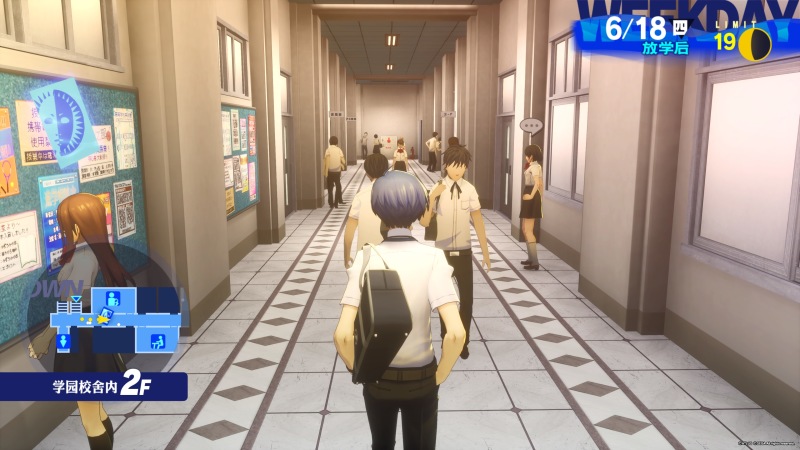
Graphics and Presentation: A Clean, Moody Upgrade
Reload doesn’t use P5’s engine. It’s built on Unreal Engine 4, the same tech as SMT V. Models and textures are more detailed, and the SMT‑style bloom filter gives the whole look a smoother, more modern sheen than P5.
Compared to the PS2 original, the jump is massive. Chibi models are replaced with full‑proportion 3D characters, and everyone’s portraits have been remade to resemble the animated films—but with sharper detail.
Reload also adds new real‑time cutscenes. Some old dialogue scenes are now animated, and even a few original 2D sequences have been fully remade in engine. Big story beats still use 2D, but those scenes are redrawn, so there’s no jarring shift between normal‑proportion models and animation.
Music: The Old Soul, Remixed
The music is still the crown jewel for me. I first got curious about P3 because of its signature mix: rap layered over jazzy pop vocals. That soundtrack was a huge part of its “cool factor.”
For various reasons, Reload doesn’t bring back Yumi Kawamura for the vocal tracks. Instead, pop singer Azumi Takahashi handles the remixed versions.
The remixing makes everything feel more modern, without the “early‑2000s” stamp. But that also means Kawamura’s raw, tense vocal energy isn’t preserved. Takahashi is softer, more relaxed, closer to city pop. It’s a different flavor, and I can see longtime fans not loving the shift.
Personally, I think both eras work. Each has its own mood, and both blend into the game beautifully. The standout for me is the new night activity theme, “Color Your Night.” It keeps the rap‑meets‑jazz DNA but sneaks in a romantic P5‑style melody. The chorus is soft, the rap is crisp, and the transitions are buttery. I can picture a late‑night city stroll without even watching the screen. It’s a perfect fit for the game’s themes and, to me, the best new addition.
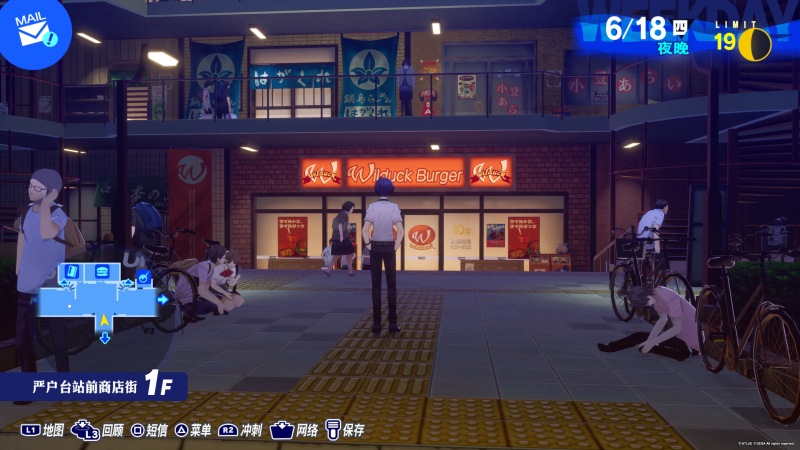
Story and Social Life: Same Core, Better Texture
Reload changes a lot of presentation, but the story is untouched. Coming from P5’s almost nonstop high spirits, P3’s darker, more solemn tone felt fresh to me. The social system doesn’t use P5’s Confidant ability unlocks, but compared to the original P3 it adds extra side stories for male party members and a handful of new choices.
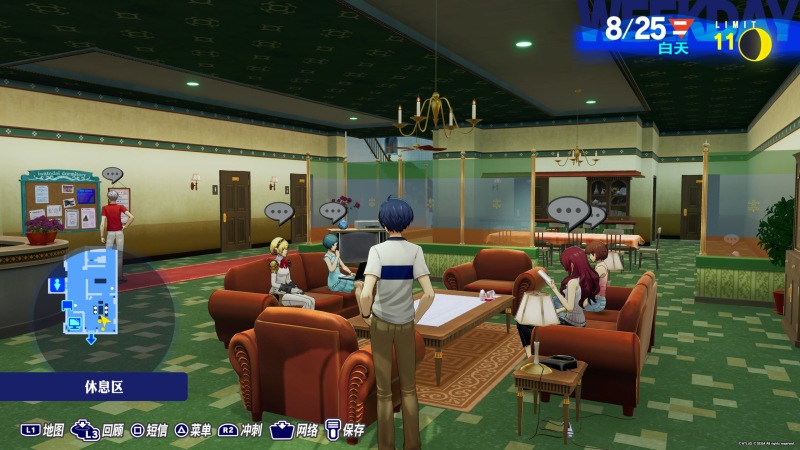
The dorm adds new group activities like studying, watching TV, gardening, and cooking. These help deepen the team bonds that felt thin in the original. After three hangouts with a teammate, you unlock a new passive skill—like Yukari’s quarter‑cost healing, which makes her a stamina‑saving monster in battle.
P3’s Social Links are the real engine that drives the whole game. The side stories are clever, and the characters are flawed in a way that feels human. Their bonds don’t always end neatly, which leaves a sting—but that imperfection is exactly what makes them memorable.
Tartarus: The Prison Still Stands
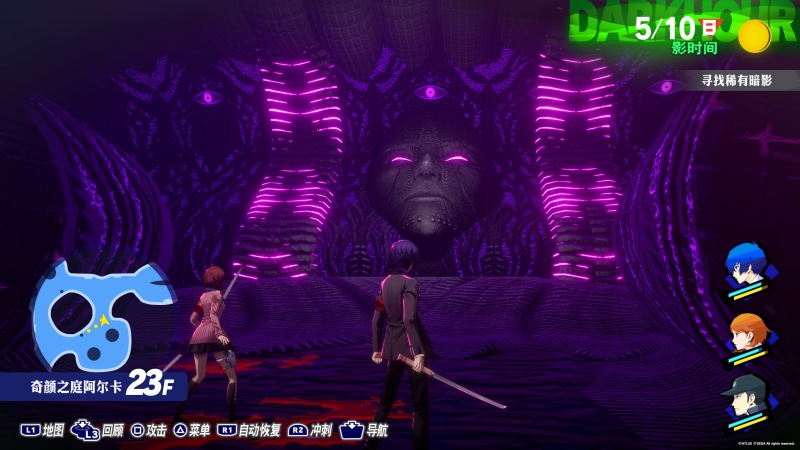
The biggest reason I never finished the original P3 was Tartarus. Two hundred‑plus floors of repetitive climbing is peak “prison time.” I hoped ATLUS might replace it with something new, but Tartarus is welded to the main story, so it’s here to stay.
To improve the feel, they did tweak the dungeon design. The fatigue mechanic is gone, and each floor is smaller. If your SP holds up, you can push straight to the highest available level in one go.
Rare Monad doors now give elite challenges and weapon materials, plus they reveal the full map so you can drop to the next floor after a single fight. There are also locked chests opened with “Twilight Fragments,” rewarding you with useful gear and items.
These additions spice things up, but the core problem remains: the climb itself still isn’t fun. The prison vibe is reduced, not erased.
Combat: Faster, Cleaner, More Options
Combat is where Reload really shines. It builds on the original mechanics and adds new ones. P5’s Baton Pass (Shift) system is here, and everyone has their own handoff animation. The classic All‑Out Attack now ends with a P5‑style close‑up—less flashy than P5, but cleaner and more focused.
There’s also a new “Theurgy” system—solo super moves that ignore stamina to deal big damage. Each character charges Theurgy differently (the protagonist by using Personas, Yukari by healing), which highlights their roles and adds another layer of turn‑to‑turn tactics.
The post‑battle Shuffle Time now includes Major Arcana cards. You can only draw a limited number, but they give lasting effects like bonus Tartarus XP or boosted stats for the next day’s activities.
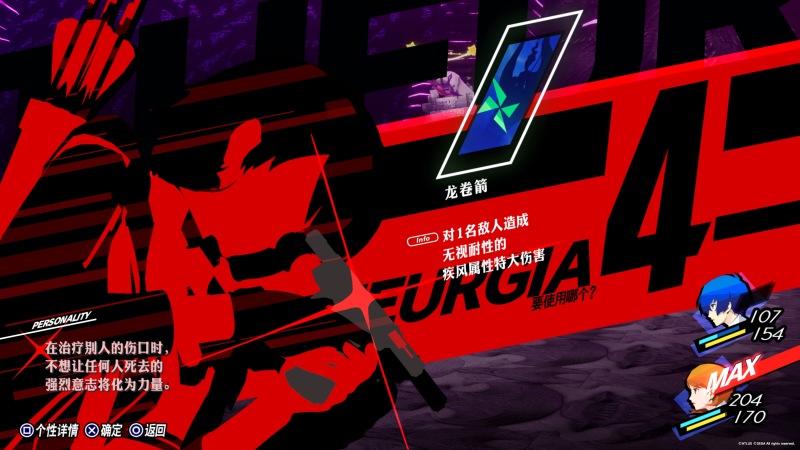
Overall, combat is snappier and more flexible, which takes some edge off the Tartarus grind.
Verdict
As a newer Persona fan, Reload was a great ride. The upgraded visuals and direction, the still‑stylish UI, the slightly “Old Testament” vibe of the story, and the faster, more tactical combat make it feel like a fresh release rather than a simple remake. That said, Tartarus still drags, and the new vocal style lacks some of the original’s raw punch—longtime fans might not be fully sold on this remake.
Score: 8.5/10
Pros:
-Sharper graphics and presentation
-Fashion‑forward visual and UI design
-A story tone with a subtle, solemn edge
-Faster combat with more tactical choices
-Many quality‑of‑life upgrades
Cons:
-Tartarus is still a grind
-No female protagonist or epilogue content
-New vocal style may not click with longtime fans